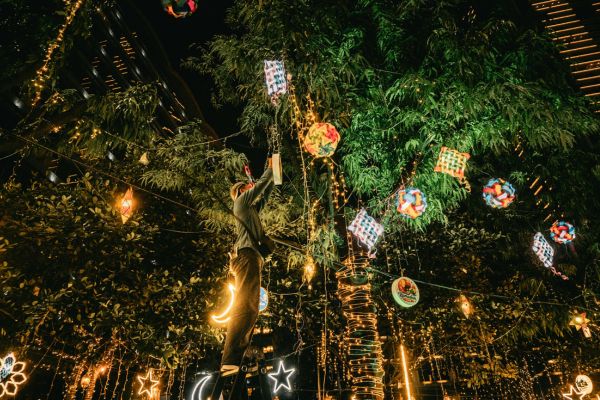
There’s something quietly magical about a garden after sunset. Shapes soften, colors deepen, and familiar corners take on a new personality. The right lighting doesn’t just make a space visible—it transforms it. That’s where DIY outdoor lighting projects come in, offering a creative way to shape mood, highlight features, and extend the life of your outdoor space well into the evening.
You don’t need a professional setup or a large budget to create something beautiful. With a bit of curiosity and a willingness to experiment, even the simplest materials can turn into striking light features.
Understanding the Mood Before You Begin
Before diving into specific DIY outdoor lighting projects, it helps to pause and think about what kind of atmosphere you want. Lighting isn’t just functional—it’s emotional.
Soft, warm glows create a sense of calm and intimacy, perfect for quiet evenings. Brighter, more focused lighting can make pathways safer and highlight key areas. Some gardens benefit from a layered approach, where different light sources work together to create depth.
The beauty of doing it yourself is that you can adjust as you go. Nothing has to be permanent, and sometimes the best ideas come after a bit of trial and error.
Mason Jar Lanterns That Feel Effortless
Few DIY outdoor lighting projects are as approachable as mason jar lanterns. There’s a certain charm in their simplicity. You can hang them from tree branches, line them along a path, or cluster them on a table.
A small candle inside gives off a warm, flickering glow that feels almost nostalgic. For something longer-lasting, battery-powered lights work just as well and remove the worry of open flames.
You might find yourself experimenting with small touches—twine around the neck, a bit of frosted glass effect, or even colored inserts. Each variation subtly changes the mood.
String Lights That Redefine Space
String lights have a way of making any outdoor area feel intentional. Even a modest backyard can feel like a curated retreat when gentle strands of light stretch overhead.
One of the most rewarding DIY outdoor lighting projects involves installing your own string light setup. Instead of simply draping them randomly, think about structure. Lines can guide the eye, define seating areas, or frame a garden feature.
It’s interesting how something so simple can create a sense of enclosure, almost like an invisible ceiling that makes the space feel more intimate.
Solar Pathway Lights With a Personal Touch
Pathway lighting is often overlooked, but it plays a subtle yet important role. It’s not just about visibility—it’s about guiding movement.
DIY outdoor lighting projects in this category often use solar lights as a base. These are easy to install and don’t require wiring, which makes them ideal for beginners.
The creative part comes in how you customize them. You might place them in decorative holders, surround them with stones, or even incorporate them into small garden sculptures. The result feels less like a standard fixture and more like a natural part of the landscape.
Upcycled Bottle Lights With Character
There’s a quiet satisfaction in turning something old into something beautiful. Glass bottles, for example, can become surprisingly elegant light fixtures.
This type of DIY outdoor lighting project works well when you want something slightly more distinctive. Clear bottles offer a clean, minimal glow, while colored glass adds personality.
You can place them along a wall, hang them from a pergola, or use them as centerpieces. Each bottle reflects light differently, creating subtle variations that feel organic rather than uniform.
Lantern Posts That Anchor the Garden
Some lighting elements are meant to stand out a little more. Lantern posts fall into this category, offering both function and a sense of structure.
Building your own lantern posts can be a rewarding DIY outdoor lighting project, especially if you enjoy working with wood or simple construction materials. The design doesn’t need to be complicated. Even a straightforward post with a mounted lantern can become a focal point.
Placed at key points in the garden, these lights create a sense of rhythm. They guide the eye and give the space a quiet sense of order.
Hidden Lights That Create Depth
Not all lighting needs to be visible. In fact, some of the most effective DIY outdoor lighting projects are the ones you don’t immediately notice.
Placing lights behind plants, under benches, or along the base of walls creates a soft glow that adds depth. It’s less about illumination and more about suggestion—hinting at shapes rather than revealing everything.
This approach can make a garden feel larger and more layered. Shadows become part of the design, and the space feels more dynamic.
Fire Features That Double as Lighting
Fire has a unique quality that no electric light can fully replicate. It moves, it flickers, and it draws people in.
Incorporating small fire elements into your DIY outdoor lighting projects can add a different kind of warmth. Whether it’s a simple fire bowl or a contained tabletop feature, the effect is immediate.
Of course, safety matters here. Choosing stable designs and placing them thoughtfully ensures that the experience remains enjoyable rather than stressful.
Hanging Lights That Add Movement
Lighting doesn’t always have to be static. Hanging elements introduce a sense of movement, especially when there’s a gentle breeze.
This category of DIY outdoor lighting projects might include suspended lanterns, small light orbs, or even repurposed materials that catch and reflect light. The shifting patterns they create can make the garden feel alive.
It’s a subtle detail, but one that often becomes noticeable once you experience it.
Blending Light With Natural Elements
One of the more thoughtful approaches to DIY outdoor lighting projects is blending artificial light with natural surroundings. Instead of placing lights on top of the landscape, you integrate them within it.
Tucking small lights among plants, weaving them through trellises, or positioning them near water features allows the light to interact with textures and surfaces. Leaves catch the glow, shadows stretch across the ground, and reflections add another layer of interest.
This kind of integration feels less like decoration and more like part of the environment.
Finding Balance Between Light and Darkness
It’s tempting to light everything, especially when you start enjoying the process. But one of the most important lessons in DIY outdoor lighting projects is restraint.
Darkness isn’t something to eliminate—it’s something to work with. Leaving certain areas unlit creates contrast, which in turn makes the illuminated sections stand out more.
A well-balanced garden at night feels calm rather than overwhelming. There’s a rhythm to it, a sense that each light has a purpose.
Letting the Space Evolve Over Time
One of the quieter pleasures of DIY outdoor lighting projects is that they don’t have to be finished all at once. In fact, they rarely are.
You might start with a few simple ideas and gradually add more as you understand how the space behaves at night. Certain areas might feel too bright, others too dim. Adjustments become part of the process.
Over time, the garden develops its own nighttime identity. It becomes a place that feels intentional but not rigid, curated but still a little spontaneous.
Conclusion: A Garden That Glows With Personality
DIY outdoor lighting projects are less about technical skill and more about observation and creativity. They invite you to see your garden differently—to notice how light interacts with space, how shadows shape perception, and how small details can shift the entire atmosphere.
What begins as a practical effort to add light often turns into something more personal. Each project reflects a choice, a preference, a moment of inspiration. And in the end, the garden doesn’t just look different at night—it feels different.
There’s a certain satisfaction in stepping outside after dark and seeing a space that you’ve shaped with your own hands. Not perfect, not overly polished, but alive in a way that feels uniquely yours.