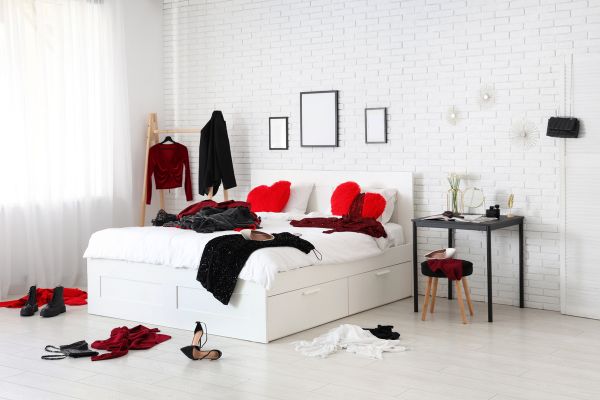
Bedrooms are meant to be restorative spaces. They are where we begin the morning and where we return when the day is finished. Yet for many people, the bedroom slowly becomes something else: a storage zone for laundry piles, random chargers, unread papers, mismatched shoes, and things that never found another home.
Clutter rarely arrives all at once. It accumulates quietly—one dropped item, one unopened drawer, one chair that becomes a clothing rack. Over time, the room can feel mentally noisy even when no one is speaking.
That is why a practical bedroom decluttering checklist can be so helpful. Instead of vague intentions to “clean the room someday,” a checklist turns overwhelm into manageable steps. It helps create a space that feels calmer, easier to maintain, and more supportive of rest.
Decluttering a bedroom is not about sterile perfection. It is about making room for peace.
Why Bedroom Clutter Feels Different
A messy kitchen can be annoying. A cluttered bedroom often feels more personal.
Because bedrooms are tied to sleep, privacy, and recovery, disorder in that space can quietly affect mood. Visual clutter may create background stress. Searching for clothing each morning adds friction. Crowded surfaces can make evenings feel less calm than they should.
Many people notice they sleep better and think more clearly when the bedroom feels lighter.
Environment influences emotion more than we sometimes admit.
Start With a Clear Intention
Before beginning any bedroom decluttering checklist, ask what you want the room to feel like.
Do you want it calmer? Easier to clean? More spacious? More adult? More restful? Better organized in the mornings?
That answer matters because decluttering is easier when guided by purpose rather than guilt.
You are not simply removing objects. You are shaping a room that supports daily life.
Begin With Visible Surfaces
Quick wins build momentum. Start with what the eye sees first.
Nightstands, dressers, desks, window ledges, and the floor often hold the most obvious clutter. Remove cups, receipts, tangled cords, random packaging, and items that belong elsewhere.
Once surfaces clear, the room often feels dramatically better even before deeper organizing begins.
Visible progress reduces resistance.
Reset the Bed First
Making the bed may seem unrelated to decluttering, but it changes the room instantly. A made bed becomes an anchor of order in the middle of the process.
It also helps you sort items without piling everything onto blankets and pillows.
Small psychological shifts matter. A reset bed often makes the whole room feel more manageable.
Sort Clothing Honestly
Bedrooms often collect clothing faster than any other item category. Start with what is out in the room: laundry piles, chair stacks, half-folded baskets, abandoned outfits.
Then move to drawers and closets.
Ask practical questions. Do I wear this? Does it fit comfortably now? Would I buy it again today? Is it damaged beyond realistic repair? Do I keep postponing decisions about this piece?
Honesty is kinder than endless storage.
Handle Shoes With Limits
Shoes often multiply quietly under beds, near doors, and in closet corners.
Gather them together. Match pairs. Remove worn-out pairs beyond repair. Keep frequently used shoes accessible and store seasonal ones elsewhere if possible.
A smaller, intentional shoe collection usually feels easier than constant scattered abundance.
Empty the Nightstand Completely
Nightstands are small spaces that somehow hold years of forgotten objects. Old receipts, expired medication, dried pens, tangled chargers, random coins, beauty samples, unread books, and mystery cables often live there.
Take everything out. Wipe the surface and drawer interiors. Return only what genuinely supports bedtime or morning routines.
A lamp, current book, charger, journal, tissues, or essentials may be enough.
The lighter the nightstand, the calmer it often feels.
Clear Under-Bed Storage
Under-bed space can be useful or chaotic. It often becomes a hidden zone for delayed decisions.
Pull items out and assess them. If you forgot something existed for three years, ask whether it still deserves prime real estate in your home.
Use under-bed storage intentionally for seasonal linens, organized containers, or limited categories—not random overflow.
Hidden clutter still affects mental space.
Reduce Paper Piles
Bedrooms are rarely ideal homes for paperwork, yet bills, notes, manuals, mail, and documents often migrate there.
Create one action pile. Recycle what is unnecessary. Relocate important papers to a proper filing area. Digitize what makes sense.
Paper clutter creates a strange kind of stress because it often represents unfinished tasks.
Removing it can feel surprisingly relieving.
Tame Cords and Electronics
Chargers, headphones, tablets, old devices, and loose cables can visually clutter a room fast.
Keep only active technology in the bedroom if possible. Store extras elsewhere. Use simple cord management solutions to reduce tangles.
Bedrooms generally feel more restful when they look less like command centers.
Edit Décor Thoughtfully
Decor can create warmth, but too many decorative objects can become dust-collecting clutter.
Keep pieces that genuinely add beauty or meaning. Remove items that feel like obligation or visual noise.
A few well-loved objects often create stronger atmosphere than many forgettable ones.
Space itself can be decorative.
Refresh Linens and Bedding
A bedroom declutter often reveals excess linens: unmatched pillowcases, worn sheets, blankets never used, duplicate comforters.
Keep quality sets you actually rotate through. Donate usable extras where appropriate. Recycle damaged textiles according to local options.
Fresh, simplified linen storage makes laundry easier and closets calmer.
Create Zones for What Remains
Decluttering is only half the work. Remaining items need homes.
Jewelry should live in one area. Books in another. Daily skincare together. Workout gear together. Spare bedding together.
When categories have clear homes, maintenance becomes easier. Without homes, clutter returns quickly.
Organization prevents re-cluttering more effectively than motivation.
Build a Realistic Daily Reset
Even the best bedroom decluttering checklist fails if maintenance requires perfection.
Instead, create a five-minute reset habit. Put clothes away or into laundry. Clear surfaces. Return dishes. Straighten bedding. Plug in devices neatly.
Tiny daily effort prevents weekend overwhelm.
Consistency beats dramatic occasional cleanups.
Let Go of “Someday” Items
Bedrooms often store fantasy versions of ourselves. Clothes for events we never attend. Hobby items never touched. Broken furniture we might fix. Decorative pieces we may someday use.
Some “someday” items deserve patience. Many deserve release.
Space is valuable too.
Notice How the Room Feels
At some point during decluttering, pause and observe. Is the room quieter? Easier to breathe in? More spacious? More welcoming?
That feeling matters. It is the real reward, not an Instagram-ready shelf.
A simpler room often supports a simpler mind.
Conclusion
A thoughtful bedroom decluttering checklist is not about owning as little as possible or creating a perfect showroom. It is about removing what interrupts rest and keeping what supports daily life. Clear surfaces, edited clothing, calmer storage, intentional décor, and simple routines can transform the room surprisingly quickly.
Bedrooms should help us recover, not drain us. When clutter fades, the room often becomes what it was meant to be all along: a place to exhale, sleep deeply, and begin again tomorrow.