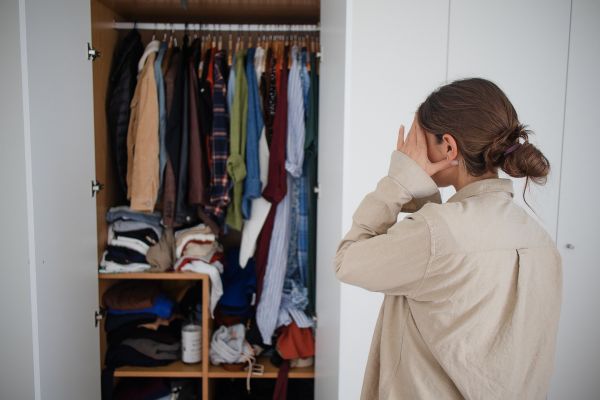
Opening your wardrobe should feel simple. You reach in, find something that fits your day, and move on. But for many people, that tiny daily moment becomes a quiet source of stress. Clothes are squeezed onto hangers, drawers refuse to close, and somehow, even with a wardrobe full of options, there still seems to be “nothing to wear.”
That is where decluttering your wardrobe tips can make a real difference. A well-edited wardrobe is not about owning fewer clothes just for the sake of it. It is about making space for the pieces you actually wear, like, and feel comfortable in. It is also about removing the visual noise that makes getting dressed feel harder than it needs to be.
Wardrobe decluttering can feel personal because clothes are tied to identity, body changes, memories, money, and hopes for some future version of ourselves. That dress from three years ago, the jeans that almost fit, the blazer bought for a job you never took — they all carry little stories. The trick is to respect those stories without letting them crowd your everyday life.
Why Your Wardrobe Feels Full but Unhelpful
Most wardrobes do not become cluttered overnight. They fill slowly. A sale purchase here, an outfit for one event there, a few “just in case” pieces, some clothes that no longer fit, and suddenly the space is packed. The problem is not always the amount of clothing. It is often the lack of clarity.
A wardrobe becomes difficult when too many pieces no longer match your real life. You may have clothes for a lifestyle you used to live, a size your body no longer is, or a style that does not feel like you anymore. You might also be keeping items because they were expensive, gifted, barely worn, or emotionally attached to a certain time.
This is why decluttering is more than folding and organizing. Organizing can make clutter look neater, but it does not solve the real problem if you still own too many things you avoid wearing. A truly useful wardrobe begins with honest decisions.
Start With a Clear Wardrobe Reset
Before making choices, take everything out. It may sound dramatic, but seeing your clothes together gives you a clearer picture than sorting one hanger at a time. Lay items on your bed, floor, or a clean surface where you can see categories forming naturally.
You may notice you own more black tops than you realized, too many old T-shirts, several jackets you rarely wear, or shoes that looked nice in the store but never worked in real life. This visual reset helps break the illusion that every item is necessary.
Clean the empty wardrobe before putting anything back. Wipe shelves, dust corners, check hangers, and notice how much space you actually have. That empty space is useful. It reminds you that your wardrobe is not meant to hold every clothing item you have ever owned. It is meant to support your current life.
Sort by What You Actually Wear
The easiest place to begin is with your regular clothes. These are the pieces you reach for without overthinking. The jeans that fit well. The soft shirt you wear often. The dress that always feels right. The jacket that works with almost everything.
Put these items in a clear “keep” group. Do not worry yet about whether they are fashionable or impressive. The first question is simple: do you wear this in real life? Not in theory, not someday, not if a perfect occasion appears — but now.
This step can be surprisingly calming because it shows you that you already have a foundation. Your wardrobe is not a total failure. It may simply be buried under items that no longer earn their space.
Once your regular pieces are visible, you can see your true style more clearly. Maybe you prefer soft fabrics, neutral colors, relaxed fits, or classic shapes. Maybe you thought you loved bold prints, but the clothes you actually wear tell a different story. Let your habits teach you.
Be Honest About Fit and Comfort
Clothes that do not fit comfortably are some of the biggest sources of wardrobe clutter. They hang there quietly, making you feel as if you should change yourself to deserve them. That is not a healthy relationship with clothing.
Try on anything you are unsure about. Pay attention not only to whether it technically fits, but whether you feel at ease in it. Can you sit down comfortably? Do you keep adjusting it? Does it pinch, pull, gape, scratch, or make you feel self-conscious? If an item only works when you stand perfectly still in front of a mirror, it probably does not belong in your everyday wardrobe.
Bodies change. That is normal. Keeping a few items for practical reasons is different from keeping an entire section of clothes that make you feel bad every time you open the door. Your wardrobe should not be a daily reminder of pressure or disappointment.
If something is close to fitting and you genuinely want to alter it, set it aside for tailoring. But give yourself a deadline. Clothes that sit in an “alterations” pile for months often become clutter in a new location.
Let Go of Clothes Kept Only Because They Cost Money
Many people hold onto clothing because it was expensive. The thought is understandable. Letting it go can feel wasteful, especially if the item was barely worn. But the money has already been spent. Keeping the item does not bring the money back.
What it can do, though, is take up space and create guilt. Every time you see that unused coat, uncomfortable pair of shoes, or formal outfit you regret buying, you are reminded of the purchase. That is not useful.
A better way to look at it is this: the lesson has already been learned. Maybe you now know not to buy certain fabrics, colors, cuts, or trend pieces. Maybe you understand your lifestyle better. That awareness has value.
If the item is in good condition, donating, selling, or giving it to someone who will actually wear it can soften the decision. The piece gets another life, and you get your space back.
Deal With Sentimental Clothing Gently
Some wardrobe items are not really about fashion at all. A graduation outfit, a wedding guest dress, a jacket from a special trip, or a shirt connected to someone you love may carry emotional weight. These pieces deserve a slower decision-making process.
Ask yourself whether the item still brings warmth when you see it, or whether it only brings guilt. There is a difference. If a piece genuinely matters, you do not need to justify keeping it. But if you are saving several items from the same memory, consider keeping only the most meaningful one.
You can also move sentimental clothing out of your everyday wardrobe. A memory box, storage bag, or special section can keep those pieces safe without letting them interfere with daily dressing. Your main wardrobe should be filled mostly with clothes you use now.
Photographing sentimental items can also help, especially if the memory matters more than the garment itself. A picture can preserve the story without requiring long-term closet space.
Create a Maybe Pile, but Keep It Small
A maybe pile can be helpful, as long as it does not become a hiding place for decisions. Some clothes need a little time. Maybe you are unsure about a blazer, a seasonal dress, or a pair of trousers you used to love. That is fine.
Place uncertain items in a separate bag or box and date it. Give yourself a clear review period, such as one month or one season. If you do not look for the items during that time, you probably do not need them as much as you thought.
This method works because it creates distance. You are not forcing yourself to make every decision emotionally in the moment. You are simply testing whether the item has a real place in your life.
Just avoid letting the maybe pile grow too large. If half your wardrobe ends up there, you may be delaying the process rather than clarifying it.
Organize What Remains in a Way That Matches Your Life
Once you have edited your clothes, the organizing part becomes much easier. Put back only what you have chosen to keep. Arrange items in a way that feels natural to your routine.
Some people like grouping by category: shirts together, trousers together, dresses together, jackets together. Others prefer organizing by color, season, or outfit type. There is no perfect system. The right one is the one you can maintain without thinking too much.
Keep frequently worn items within easy reach. Store occasional or seasonal pieces higher up, lower down, or in a separate section. If your wardrobe is small, rotating seasonal clothing can make it feel more spacious.
Use matching hangers only if you enjoy the look, not because social media says you must. Simple folding, clear sections, and breathing room between garments often matter more than perfect aesthetics.
Notice the Patterns Before Buying More
Decluttering your wardrobe is not only about what leaves. It also teaches you how to shop more wisely in the future. As you sort, notice patterns. Are there colors you never wear? Fabrics you dislike? Shoes that hurt? Trend pieces that quickly lost appeal? Clothes bought for fantasy occasions rather than real ones?
These patterns are valuable. They help you avoid repeating the same mistakes. A decluttered wardrobe can quickly become cluttered again if the habits behind it do not change.
Before buying something new, ask whether it works with what you already own. Imagine wearing it in your actual week, not in an ideal version of your life. Consider whether it fills a real gap or simply gives you a quick feeling of novelty.
A wardrobe that works well is usually built slowly. It does not need constant additions. It needs thoughtful choices.
Make Wardrobe Decluttering a Regular Habit
A major wardrobe clear-out can be refreshing, but small regular check-ins are what keep things manageable. At the end of a season, spend a little time reviewing what you wore and what stayed untouched. This is easier than waiting years until the wardrobe feels impossible again.
Pay attention to clothes that repeatedly return from the laundry quickly. Those are your true favorites. Notice the items that never leave the hanger. They may need to be reconsidered.
You can also keep a donation bag nearby. When you try something on and immediately take it off because it feels wrong, that is information. Instead of putting it back and repeating the same moment next month, place it in the bag.
Decluttering becomes less emotional when it becomes normal. You are not making one huge dramatic decision. You are simply keeping your wardrobe aligned with your life.
A Wardrobe That Gives You Room to Breathe
Decluttering your wardrobe successfully is not about creating a perfect closet or following strict rules. It is about making your clothes easier to live with. When your wardrobe contains pieces that fit, feel good, and match your real routines, getting dressed becomes lighter.
The process may bring up guilt, memories, or frustration at first. That is natural. Clothes often carry more meaning than we expect. But with each honest decision, your wardrobe begins to feel less like a storage space and more like a useful part of your home.
The best decluttering your wardrobe tips are not about owning the least amount possible. They are about keeping what supports you now and releasing what no longer does. In the end, a clearer wardrobe gives you more than extra space. It gives you a calmer morning, a better sense of your style, and a quiet reminder that your home should make daily life feel easier, not heavier.