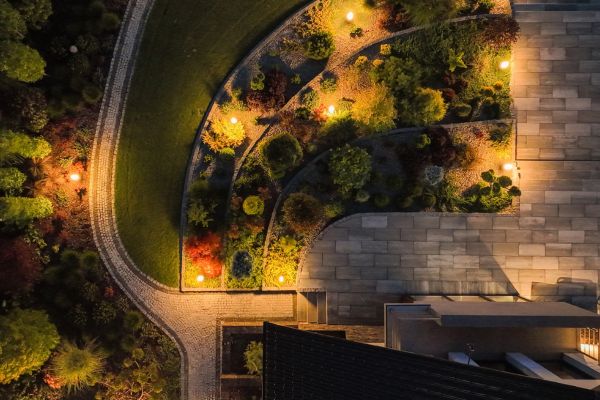
Rethinking What a Beautiful Yard Can Be
A beautiful yard does not have to be thirsty, high-maintenance, or dependent on constant chemical treatments. For a long time, many homeowners were taught to see a perfect lawn as the heart of outdoor beauty. Trimmed grass, sharp edges, seasonal flowers, and a few decorative shrubs became the familiar picture. It looks tidy, yes, but it often takes more water, fertilizer, fuel, and effort than people realize.
That is why sustainable landscaping ideas have become so appealing. They are not about giving up beauty or letting the garden become wild in a careless way. They are about designing outdoor spaces that work with nature instead of constantly fighting it. A sustainable yard can still feel polished, welcoming, and personal. It simply asks better questions. What grows well here? How much water does this area really need? Can the soil be healthier? Can this space support birds, bees, shade, food, and comfort at the same time?
Once you start thinking this way, landscaping becomes less like decorating the outside of a house and more like creating a living system.
Start With the Climate You Already Have
The smartest sustainable yards begin with observation. Before buying plants or changing the layout, it helps to notice how the yard behaves through the day and across the seasons. Some areas may get harsh afternoon sun. Others may stay damp after rain. A corner near a wall might trap heat, while a shaded side yard may never be suitable for sun-loving flowers.
Working with these natural conditions saves energy, water, and frustration. Instead of forcing plants into places where they will struggle, choose varieties that already suit the soil, light, and rainfall patterns. This is where native and climate-adapted plants become so useful. They often need less watering once established, handle local weather better, and provide food or shelter for local wildlife.
A sustainable landscape is not a copy-paste design from a magazine. It is a yard that belongs to its place.
Use Native Plants for Low-Maintenance Beauty
Native plants are one of the most practical foundations of an eco-friendly yard. Because they evolved in the local region, they are usually better prepared for the climate, pests, and soil conditions. That does not mean they never need care, especially when newly planted, but they often settle in more naturally than exotic plants that require constant attention.
They also bring life back into the garden. Native flowering plants can support pollinators. Native grasses can add movement and texture. Shrubs and small trees can offer berries, nesting spots, and shade. The result feels less artificial and more connected to the surrounding environment.
The visual style can be anything from soft and meadow-like to structured and modern. Native planting does not have to look messy. With thoughtful spacing, repeated plant groups, curved beds, stone borders, and seasonal layers, it can look intentional while still being ecologically useful.
Replace Some Lawn With Purposeful Planting
A lawn can be useful. It gives children a place to play, creates open space, and offers a calm green surface. But most yards do not need as much grass as they have. Large lawns demand regular mowing, watering, and feeding, especially in dry or hot regions.
Reducing lawn size is one of the most effective sustainable landscaping ideas for homeowners who want visible change without redesigning everything. Start with the areas that are rarely used. A strip along a fence, a difficult slope, or a sunny patch that always dries out can become a garden bed, wildflower area, gravel path, herb border, or small seating zone.
Ground covers are another option. Low-growing plants such as creeping thyme, clover, sedges, or region-appropriate alternatives can soften the ground while requiring less maintenance than traditional turf. The goal is not to remove every blade of grass. It is to make the lawn earn its place.
Design for Smarter Water Use
Water is one of the biggest concerns in sustainable landscaping. A yard that depends heavily on irrigation can become expensive and wasteful, especially where summers are long or rainfall is unpredictable. Smarter water use begins with plant choice, but design matters too.
Group plants with similar water needs together. This simple idea, often called hydrozoning, prevents overwatering some plants just to keep others alive. Drought-tolerant plants should not sit beside thirsty flowers if they are all connected to the same watering schedule.
Mulch also plays a quiet but important role. A layer of organic mulch helps soil hold moisture, reduces weeds, and protects roots from temperature swings. Wood chips, shredded bark, leaves, straw, and composted materials can all work depending on the garden style.
Rain barrels, rain gardens, and shallow swales can help capture water instead of letting it rush away. Even small changes, like directing downspouts toward planted areas, can make a yard feel more self-sufficient.
Build Healthy Soil Before Adding More Plants
Soil is easy to ignore because it sits under the surface, but it decides so much about the health of a landscape. Poor soil leads to weak plants, more pests, more watering, and more fertilizer use. Healthy soil, on the other hand, holds moisture better, supports roots, and feeds the tiny organisms that keep a garden alive.
Compost is one of the simplest ways to improve soil naturally. It adds organic matter and helps create a richer growing environment. Fallen leaves can also be valuable instead of being treated as waste. When shredded or left in garden beds, they break down and return nutrients to the soil.
Avoid compacting soil whenever possible. Heavy foot traffic, frequent machinery, and bare exposed ground can make it harder for water and air to move through the earth. Paths, stepping stones, and designated work areas can protect planting zones while making the yard easier to use.
Choose Permeable Paths and Hardscaping
Patios, driveways, and walkways are useful, but solid surfaces can create runoff problems. When rain cannot soak into the ground, it flows across pavement, carrying dirt, chemicals, and debris into drains or nearby waterways. Sustainable hardscaping tries to slow that water down.
Permeable pavers, gravel paths, stepping stones, and spaced flagstones allow water to filter into the soil. These materials can look natural and elegant while reducing runoff. They are especially helpful in garden paths, side yards, seating areas, and low-traffic spaces.
Hardscaping also lasts longer when chosen carefully. Reclaimed brick, local stone, recycled materials, and durable surfaces reduce waste over time. A sustainable yard is not only about plants. It is also about choosing materials that age well and do not need constant replacement.
Create Shade With Trees and Layered Planting
Shade is one of the most underrated tools in eco-friendly landscaping. A well-placed tree can cool a patio, protect plants from intense sun, and even help reduce indoor cooling needs when planted near the right side of the home. Trees also support birds, improve air quality, and make outdoor spaces feel calmer.
Layered planting creates a similar effect on a smaller scale. Instead of using only low flowers or only shrubs, combine trees, shrubs, grasses, perennials, and ground covers. This layered approach mimics natural ecosystems, where different plants fill different roles.
It also makes the garden more interesting throughout the year. One plant may bloom in spring, another may offer summer texture, while seed heads or evergreen foliage carry the yard through cooler months.
Welcome Pollinators and Wildlife Thoughtfully
An eco-friendly yard is not just a place to look at. It can become a small refuge for living things. Pollinator-friendly flowers, berry-producing shrubs, bird baths, brush piles, and small habitat areas can support bees, butterflies, birds, and beneficial insects.
The trick is balance. You do not need to turn the whole yard into a wildlife sanctuary overnight. Even one pollinator bed near a sunny fence can help. Avoiding unnecessary pesticides is just as important, because many chemicals harm helpful insects along with the unwanted ones.
A garden with more life often feels more alive to people too. There is something satisfying about seeing butterflies drift through flowers or hearing birds move through shrubs in the morning. It reminds you that the yard is part of a wider world.
Make Outdoor Spaces Useful, Not Just Decorative
Sustainability also means creating a yard people actually use. A landscape that looks good but never gets enjoyed is missing something. Seating areas, shaded corners, herb gardens, vegetable beds, play areas, and quiet paths all give the yard purpose.
Edible landscaping can be especially rewarding. Herbs near the kitchen, fruit trees, berry bushes, or raised vegetable beds can make the yard productive without making it feel purely practical. Even a small planter of basil, mint, or tomatoes can change how connected you feel to the space.
When outdoor areas are useful, homeowners are more likely to care for them in thoughtful, consistent ways.
Conclusion: A Greener Yard Begins With Better Choices
Sustainable landscaping ideas are not about chasing perfection. They are about making better choices, one layer at a time. A little less lawn. A few more native plants. Healthier soil. Smarter water use. A shaded seating area. A garden bed that feeds pollinators instead of sitting empty.
The most eco-friendly yards often feel relaxed but intentional. They save resources, support local life, and still offer the beauty people want from their outdoor spaces. In the end, a sustainable landscape is not only better for the environment. It is better for the people who live with it every day.