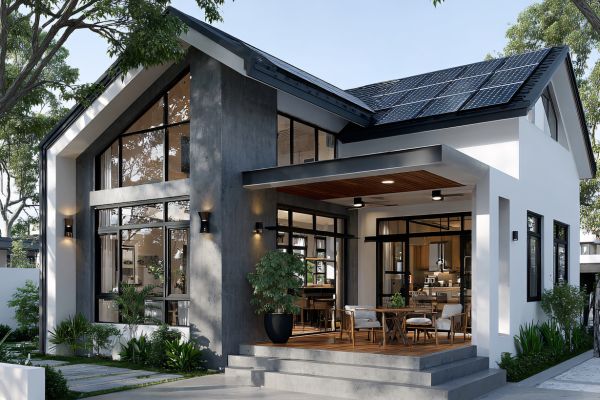
The idea of building a home has always carried a sense of permanence. Homes are where routines settle in, memories accumulate, and lives quietly unfold. In recent years, that sense of responsibility has expanded beyond family and finances to include the planet itself. As climate awareness becomes less abstract and more personal, homeowners are asking smarter questions about what their houses are made of and how those choices ripple outward.
That’s where sustainable building materials for homes enter the conversation. These materials are not about trends or labels. They’re about durability, environmental balance, and creating spaces that feel good to live in—both ethically and physically.
What Makes a Building Material Truly Sustainable
Sustainability in construction is often misunderstood as a single feature, when in reality it’s a combination of many factors. A material might be renewable, but energy-intensive to process. Another might be recycled, but difficult to reuse again in the future. True sustainability sits at the intersection of sourcing, manufacturing, lifespan, and end-of-life impact.
Sustainable building materials for homes are typically those that are responsibly sourced, require less energy to produce, last a long time, and minimize harm when they eventually wear out or are replaced. Just as important, they support healthier indoor environments by reducing toxins and improving air quality.
Wood Reimagined Through Responsible Forestry
Wood has been a core building material for centuries, yet its environmental reputation depends entirely on how it’s harvested and used. Sustainably sourced timber comes from forests that are managed with long-term regeneration in mind, where trees are replanted and ecosystems preserved rather than stripped.
Engineered wood products, such as cross-laminated timber, have further expanded wood’s role in sustainable construction. These materials are strong, stable, and efficient, allowing builders to use smaller pieces of wood without sacrificing structural integrity. When thoughtfully chosen, wood can store carbon for decades, quietly offsetting emissions rather than contributing to them.
Bamboo and Other Rapidly Renewable Materials
Few materials embody the idea of renewal quite like bamboo. Technically a grass rather than a tree, bamboo grows at an astonishing rate and reaches maturity in just a few years. This makes it a compelling option for flooring, cabinetry, and even structural elements in certain climates.
Other rapidly renewable materials, such as cork and straw-based products, share similar advantages. They regenerate quickly and often require less processing than conventional alternatives. In homes, they bring warmth and texture that feels organic rather than industrial, proving that sustainability doesn’t have to sacrifice comfort or beauty.
Recycled Materials with a Second Life
Recycling in construction goes far beyond glass bottles and aluminum cans. Steel, concrete, plastic, and even insulation materials can be reclaimed and reprocessed into new building products. Using recycled steel, for example, significantly reduces the need for mining while maintaining exceptional strength and durability.
Reclaimed wood has also found renewed appreciation, not just for its environmental benefits but for its character. Beams and floorboards salvaged from older structures carry visible history, subtle imperfections, and a sense of continuity that new materials often lack. When recycled materials are used thoughtfully, they add depth and meaning rather than feeling like a compromise.
Earth-Based Materials and Ancient Building Wisdom
Some of the most sustainable building materials for homes are also among the oldest. Adobe, rammed earth, and clay-based materials have been used for thousands of years, long before sustainability became a buzzword. Their appeal lies in their simplicity and their relationship with the local environment.
Earth-based materials often provide excellent thermal mass, helping homes stay cool in summer and warm in winter with minimal energy use. They are typically sourced nearby, reducing transportation emissions, and they return harmlessly to the ground at the end of their lifespan. There’s something quietly reassuring about materials that complete a full, natural cycle.
Low-Impact Concrete Alternatives
Concrete is one of the most widely used building materials in the world, but it also carries a heavy environmental cost. Cement production alone accounts for a significant share of global carbon emissions. In response, innovators have been developing alternatives that reduce this impact without abandoning concrete altogether.
Blended cements, fly ash concrete, and other low-carbon mixes use industrial byproducts or alternative binders to lower emissions. While these materials may look and perform much like traditional concrete, their environmental footprint is notably smaller. They represent a practical shift rather than a radical reinvention, which makes them easier to adopt at scale.
Insulation That Protects More Than Just Temperature
Insulation plays a quiet but crucial role in sustainable homes. It determines how much energy is needed to heat or cool a space, shaping long-term environmental impact more than almost any other material. Traditional insulation can be effective, but it often relies on petrochemicals or energy-intensive manufacturing.
Natural insulation materials, such as sheep’s wool, cellulose made from recycled paper, and hemp fiber, offer a different approach. They perform well thermally while also regulating moisture and improving indoor air quality. Over time, these benefits add up, creating homes that feel more stable, comfortable, and resilient.
Finishes and Surfaces That Support Healthy Living
Sustainability doesn’t stop at structural elements. Paints, sealants, adhesives, and finishes can significantly affect indoor environments. Many conventional products release volatile organic compounds long after application, subtly degrading air quality.
Low-emission and natural finishes reduce this risk. Clay plasters, lime washes, and plant-based oils allow walls and surfaces to breathe, preventing trapped moisture and creating a softer visual aesthetic. These materials don’t shout for attention, but they contribute quietly to a home that feels calmer and healthier over time.
Durability as an Overlooked Sustainability Factor
One of the most underrated aspects of sustainable building materials for homes is durability. A material that needs frequent replacement, even if it’s marketed as eco-friendly, may create more waste in the long run. Longevity matters, not just in years but in how well a material ages and adapts.
Materials that weather gracefully, develop patina, or can be repaired rather than replaced tend to be more sustainable overall. They encourage a mindset of care instead of consumption, shifting the relationship between homeowner and house from disposable to enduring.
The Human Experience Inside Sustainable Homes
Beyond environmental metrics, sustainable materials shape how homes feel. Natural textures, balanced acoustics, and stable indoor temperatures all influence daily comfort. Many people report that homes built with sustainable materials feel calmer and more grounded, though that’s not something easily measured on a spreadsheet.
There’s also a psychological comfort in knowing that a home aligns with personal values. Living in a space that reflects care for the environment can subtly influence habits, encouraging mindfulness and long-term thinking in other areas of life.
Looking Ahead at Smarter Material Choices
As technology advances and environmental pressures increase, the range of sustainable building materials for homes will continue to expand. What was once niche is gradually becoming mainstream, not because it’s fashionable, but because it makes practical sense.
The future of home building isn’t about abandoning modern comforts or romanticizing the past. It’s about choosing materials that respect both human needs and ecological limits, finding balance rather than extremes.
A Thoughtful Conclusion on Building with Purpose
Building or renovating a home is one of the most consequential decisions many people will make. The materials chosen shape not only the structure itself but the energy it consumes, the air it holds, and the footprint it leaves behind. Sustainable building materials for homes invite a slower, more deliberate approach—one that values longevity, health, and environmental responsibility over short-term convenience.
In the end, sustainability in building isn’t about perfection. It’s about intention. Each thoughtful choice, however small, contributes to homes that are better for the people inside them and gentler on the world outside.