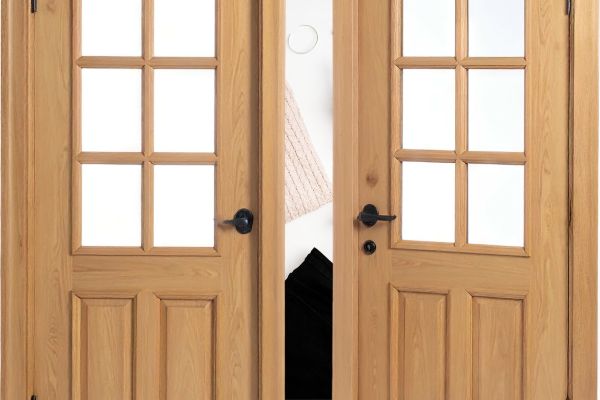
A quiet draft slipping under your door might seem harmless at first. It’s easy to ignore—until you notice your room never quite feels warm in winter or cool in summer. That subtle airflow isn’t just a comfort issue; it quietly chips away at your home’s efficiency. Learning How to Seal Gaps Around Doors is one of those small, practical upgrades that can make a surprisingly big difference.
You don’t need specialized skills or expensive tools to tackle it either. With a bit of patience and attention, sealing door gaps becomes less of a chore and more of a satisfying fix—one that you’ll feel every time you walk into a room that finally holds its temperature.
Understanding Why Door Gaps Matter
Before jumping into solutions, it helps to understand what’s actually happening. Doors expand and contract over time due to temperature changes, humidity, and simple wear. Hinges loosen, frames shift, and materials age. The result is tiny gaps—around the edges, beneath the door, or even between the frame and the wall.
These gaps allow air to pass freely between indoors and outdoors. In colder months, warm air escapes while chilly air seeps in. In warmer seasons, the opposite happens. Over time, this constant exchange puts pressure on heating and cooling systems, making them work harder than necessary.
But it’s not just about temperature. Gaps can also let in dust, insects, and even noise. That faint whistle you hear on windy nights? It often traces back to an unsealed door.
Spotting the Gaps You Can’t Always See
Some gaps are obvious. A visible strip of light beneath the door or along the sides is a clear sign. Others are more subtle. You might notice uneven temperatures in different parts of the room or feel a faint breeze when standing near the door.
A simple trick is to run your hand slowly along the edges of the closed door. On a cooler day, any draft becomes easier to detect. Another method involves holding a thin piece of paper or tissue near the edges—if it moves, there’s airflow.
Identifying where the problem lies is half the battle. Once you know the exact spots, choosing the right sealing method becomes much easier.
Choosing the Right Sealing Approach
Not all door gaps are the same, and they don’t all require the same fix. The solution depends on where the gap is located and how large it is.
For gaps along the sides or top of the door, flexible materials that compress when the door closes work best. These create a tight seal without interfering with movement.
For gaps at the bottom, sturdier solutions are needed. The bottom edge faces more wear, especially with frequent opening and closing. It’s also where the largest gaps tend to form.
In some cases, the issue might not be the door itself but the alignment. If the door hangs unevenly, sealing alone won’t fully solve the problem. A quick hinge adjustment might be necessary before applying any materials.
Sealing the Sides and Top for a Snug Fit
The edges around the door frame are often the easiest place to start. Materials designed for these areas are typically soft and compressible, allowing the door to close smoothly while blocking airflow.
When applied correctly, these seals create a gentle resistance when the door shuts—a sign that the gap is being filled. It shouldn’t feel forced, though. If the door becomes difficult to close, the seal might be too thick or improperly placed.
Take your time during installation. Clean the surface thoroughly before applying anything. Even a thin layer of dust can prevent proper adhesion, leading to gaps reopening sooner than expected.
There’s a certain satisfaction in closing a door and feeling that soft, cushioned seal instead of a hollow click. It’s subtle, but noticeable.
Addressing the Bottom Gap Where Most Air Escapes
The space beneath the door is usually the biggest culprit. It’s also where temperature differences are most noticeable. On colder days, you can often feel the draft immediately when standing near the floor.
Sealing this area requires something durable yet adaptable. A solution that stays in place while allowing the door to glide over the floor without friction is ideal.
The key is balance. Too tight, and the door scrapes or sticks. Too loose, and the gap remains. Adjusting the height and positioning carefully ensures an effective seal without compromising function.
Interestingly, once the bottom gap is sealed, many people notice a dramatic improvement in comfort. The room feels more stable, less exposed to outside conditions.
Fixing Uneven Doors Before Sealing
Sometimes, sealing efforts don’t work as expected because the door itself isn’t properly aligned. A slight tilt or sag can create uneven gaps—tight on one side, wide on the other.
This often happens over time as hinges loosen or screws shift. Tightening the hinges or replacing worn screws can realign the door enough to make sealing effective.
It’s a small step that’s easy to overlook. But skipping it can lead to frustration, especially when seals don’t sit evenly or fail to block drafts completely.
Taking a moment to check alignment first can save time and effort later.
Dealing With Older Doors and Frames
Older doors have their own quirks. Wood may have warped slightly, frames may have settled, and surfaces might not be perfectly straight anymore.
In these cases, a one-size-fits-all approach rarely works. Instead, sealing becomes a bit more intuitive—adjusting materials to fit the irregularities rather than expecting everything to line up perfectly.
It’s less about precision and more about adaptability. You might find yourself trimming, repositioning, or layering materials to achieve a consistent seal.
There’s a certain charm in working with older doors, though. Each one tells its own story, and sealing its gaps feels like restoring a bit of its original function.
Maintaining the Seal Over Time
Sealing door gaps isn’t a one-time fix. Over time, materials wear out, especially in high-traffic areas. Regular checks help ensure everything stays effective.
Pay attention to changes in how the door closes. If it suddenly feels loose or drafts return, it might be time to adjust or replace the sealing material.
Seasonal changes can also affect performance. What works perfectly in one season might need slight adjustments in another due to expansion or contraction.
Think of it as light maintenance rather than ongoing work. A quick check every few months is usually enough.
The Subtle Comfort of a Well-Sealed Door
Once you’ve sealed the gaps, the difference is often more noticeable than expected. Rooms feel quieter, more stable, and less exposed to outside conditions.
It’s not just about energy efficiency—though that’s certainly a benefit. It’s about creating a space that feels complete, where the boundaries between indoors and outdoors are clearly defined.
There’s a quiet satisfaction in closing a door and knowing it actually does its job fully. No drafts, no flickers of air, just a clean, solid barrier.
Bringing It All Together
Learning How to Seal Gaps Around Doors isn’t complicated, but it does require a bit of observation and care. By identifying where gaps exist, choosing the right approach for each area, and ensuring the door is properly aligned, you can transform how your home feels without major effort.
It’s one of those improvements that doesn’t shout for attention but quietly enhances everyday comfort. The kind you notice most on a cold evening, when the room stays warm without that familiar chill creeping in from the edges.
In the end, sealing door gaps is less about fixing a flaw and more about refining your living space—making it just a little more complete, a little more comfortable, and a lot more efficient.