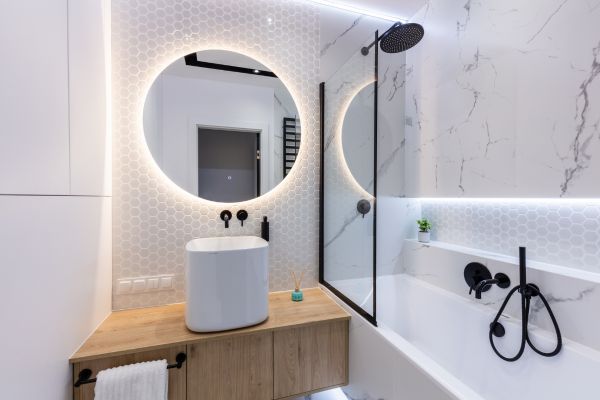
Bathrooms have changed quietly over the years. They used to be seen as purely practical rooms, built around the basics: a sink, a toilet, a shower, a mirror, and enough storage to keep everyday items out of sight. But modern homes are asking more from every corner, and the bathroom is no exception. Today, people want bathrooms that feel cleaner, calmer, more efficient, and easier to use. That is where smart bathroom technology starts to make sense.
The idea is not just about adding gadgets for the sake of it. A smart bathroom is not meant to feel complicated or overly futuristic. At its best, it makes daily routines smoother. It can help save water, improve comfort, support hygiene, and create a more personalized space. Some features are subtle, like a mirror that does not fog up after a hot shower. Others feel more advanced, like a shower that remembers your preferred temperature.
Smart bathroom technology is becoming part of the wider move toward homes that respond to the way people live. The bathroom may be private and often small, but it is one of the most used rooms in the home. When thoughtful technology is added in the right places, it can make that everyday use feel much better.
The Rise of the Connected Bathroom
The modern bathroom is no longer limited to traditional fixtures. It can now include connected devices that respond to touch, voice, motion, or preset preferences. This shift has happened gradually. First came sensor taps and heated towel rails. Then came digital showers, smart lighting, intelligent mirrors, and toilets with built-in cleaning functions.
What makes these upgrades different from older bathroom improvements is how they interact with daily habits. A normal light switch simply turns lights on and off. Smart lighting can adjust brightness depending on the time of day. A standard shower requires manual adjustment every time. A digital shower can return to the exact temperature you like. These small details can feel surprisingly useful once they become part of a routine.
The connected bathroom also reflects a larger interest in comfort at home. People are spending more attention on spaces that support wellness, relaxation, and convenience. The bathroom naturally fits into that trend because it is where many people begin and end the day.
Smart Showers and Personalized Comfort
One of the most appealing parts of smart bathroom technology is the digital shower. A smart shower can control water temperature, flow, and timing with more precision than a traditional shower system. Instead of turning knobs and waiting for the water to feel right, users can set a preferred temperature and let the system handle the adjustment.
This can be especially helpful in busy households. Different family members may prefer different settings, and some systems allow individual profiles. One person may like a warm, gentle shower in the morning, while another may prefer stronger pressure and hotter water after work. The shower can be programmed to suit those preferences without constant trial and error.
Smart showers can also help with water awareness. Timers and flow controls make it easier to avoid wasting water, especially during long showers. Some systems provide usage feedback, which can be useful for households trying to reduce consumption. The goal is not to make showering feel restricted, but to make it more mindful.
There is also a comfort factor that should not be overlooked. Stepping into water that is already at the right temperature feels simple, but it changes the experience. It removes that awkward moment of testing the water with your hand, adjusting it, waiting, and adjusting again.
Intelligent Toilets and Better Hygiene
Smart toilets are among the more talked-about bathroom upgrades, partly because they can feel unfamiliar at first. Yet many of their features are practical. Heated seats, automatic flushing, bidet washing, air drying, deodorizing, and self-cleaning functions are all designed around comfort and hygiene.
In many homes, the appeal of a smart toilet is cleanliness. Touchless flushing reduces contact with surfaces. Built-in bidet features can provide a fresher, more water-based cleaning experience compared with toilet paper alone. Some models also include night lights, which can be useful during late-night bathroom trips.
There is a learning curve, of course. Not everyone immediately feels comfortable with advanced toilet features. But once people get used to them, they often appreciate the convenience. The technology is not about making the bathroom feel strange. It is about improving one of the most basic daily routines in a quiet, practical way.
Smart toilets can also be valuable for people with mobility challenges, older adults, or anyone who benefits from more hands-free operation. When technology improves independence and comfort, it becomes more than a luxury feature.
Smart Mirrors That Do More Than Reflect
A mirror is one of the most used objects in the bathroom, so it makes sense that it has become a place for smart features. Smart mirrors can include built-in lighting, anti-fog heating, touch controls, Bluetooth audio, clocks, weather updates, and even voice assistant compatibility.
The most useful feature for many people is simple: better lighting. Bathroom lighting can be difficult. Overhead lights often cast shadows on the face, while dim lighting makes grooming harder. A smart mirror with adjustable lighting can create a clearer view for shaving, skincare, makeup, or basic daily preparation.
Anti-fog technology is another small feature that feels bigger in real life. After a hot shower, a traditional mirror often needs to be wiped down before use. A heated mirror stays clear, saving time and avoiding streaks.
Some smart mirrors also display information, but this depends on personal preference. For some people, seeing the time or weather while getting ready is useful. For others, the bathroom should stay peaceful and screen-free. The best approach is to choose technology that supports the mood you want in the space.
Touchless Fixtures for Cleaner Everyday Use
Touchless taps and soap dispensers are no longer limited to public restrooms. They are increasingly common in modern homes because they support hygiene and reduce mess. A sensor tap turns water on when hands are placed beneath it and turns off automatically when they are removed.
This is useful for several reasons. It limits contact with handles, which can be helpful when hands are dirty. It also prevents water from being left running by mistake. In family bathrooms, especially with children, this can reduce waste and keep the sink area cleaner.
Touchless technology also adds a sense of ease. Washing hands becomes smoother. Brushing teeth or rinsing a razor can feel less messy. These are not dramatic changes, but bathrooms are built around small repeated actions. When those actions become easier, the room starts to feel better designed.
The same idea applies to motion-sensor lighting. Lights that turn on automatically at night can make the bathroom safer and more convenient, especially when paired with a soft low-level glow instead of bright overhead lighting.
Smart Lighting and Mood Control
Lighting has a huge effect on how a bathroom feels. Bright white light may be useful in the morning, but it can feel harsh at night. Warm, dim lighting can make a bath feel relaxing, but it may not be practical for grooming. Smart lighting solves this by allowing the bathroom to shift depending on the moment.
A modern smart lighting setup might include bright task lighting near the mirror, softer ambient lighting around the ceiling or vanity, and low night lighting for evening use. The lights can be adjusted through switches, apps, motion sensors, or voice commands.
This level of control can make the bathroom more comfortable. In the morning, brighter light can help wake up the senses. In the evening, warmer tones can support a calmer routine. For people who enjoy long baths, soft lighting can turn a regular bathroom into a more restful space.
Smart lighting also gives homeowners more design flexibility. Instead of relying only on one ceiling fixture, lighting can be layered. This makes even a simple bathroom feel more considered and atmospheric.
Heated Floors and Towel Warmers for Everyday Comfort
Some smart bathroom features are less about digital control and more about physical comfort. Heated flooring is a good example. Cold bathroom floors can feel unpleasant, especially in cooler months. A heated floor system adds warmth from below, making the room feel more inviting.
Smart controls can make heated floors more efficient. Instead of leaving heat on all the time, the system can be scheduled to warm the floor before morning routines and turn off when it is not needed. This adds comfort without unnecessary energy use.
Heated towel rails work in a similar way. A warm towel after a shower feels luxurious, but it is also practical. It helps towels dry faster, which can reduce damp smells and make the bathroom feel fresher. With timers or smart plugs, towel warmers can be managed more efficiently.
These features may seem small, but they affect the sensory experience of the room. A bathroom is not only seen; it is felt. Warmth, texture, light, and sound all shape how comfortable it becomes.
Water-Saving Technology and Smarter Efficiency
A modern bathroom should not only feel good. It should also use resources wisely. Smart bathroom technology can help reduce water and energy waste without making daily routines difficult.
Smart leak detectors are one of the most practical additions. Bathrooms are vulnerable to hidden leaks around toilets, sinks, showers, and pipes. A small leak can cause damage before anyone notices it. A leak detector can alert homeowners early, giving them time to fix the issue before it becomes expensive.
Smart water monitors can also track usage and identify unusual patterns. This can be helpful for households trying to understand where water is being used most. Paired with efficient taps, showers, and toilets, this technology can support a more responsible home.
The best part is that water-saving technology does not have to feel restrictive. A well-designed smart shower or tap can still feel comfortable while using less water. Efficiency works best when it blends naturally into everyday life.
Privacy and Simplicity Still Matter
As useful as smart bathroom technology can be, it should be chosen carefully. The bathroom is a private space, and not every connected feature belongs there. Devices with microphones, cameras, apps, or cloud connections may raise privacy questions. Homeowners should understand what each device collects, how it connects, and whether all features are truly necessary.
Simplicity also matters. A bathroom should not feel like a control room. If every feature requires an app, password, update, or complicated setup, the convenience can disappear quickly. The best smart bathroom features are the ones that become almost invisible. They work when needed, stay out of the way when not needed, and do not make simple routines feel harder.
It is often better to start with a few meaningful upgrades rather than filling the bathroom with every available device. A smart mirror, touchless tap, and improved lighting may be enough to transform the space. In another home, a digital shower and leak detector might be more useful. The right choice depends on lifestyle, budget, bathroom size, and personal comfort with technology.
Designing a Bathroom That Feels Modern but Human
A modern bathroom should not lose its warmth. Technology can improve the room, but materials, colors, layout, and comfort still matter. A bathroom with smart features can still feel natural, calm, and personal. In fact, the best designs often hide the technology within a beautiful, simple space.
A digital shower can sit inside a warm stone-style shower area. A smart mirror can blend with soft lighting and wood accents. Touchless fixtures can pair with classic tiles. The result does not have to feel cold or futuristic. It can feel quietly upgraded.
The goal is to create a bathroom that supports real life. That means easier mornings, calmer evenings, cleaner surfaces, safer movement, and better control over comfort. Smart technology should serve those needs rather than dominate the room.
Conclusion
Smart bathroom technology is changing the way people think about one of the most familiar spaces in the home. It brings comfort, hygiene, efficiency, and personalization into daily routines without requiring a complete change in how the bathroom is used. From smart showers and intelligent toilets to touchless taps, better lighting, heated floors, and leak detection, these features can make the room feel more responsive and easier to live with.
Still, the most successful smart bathroom is not the one with the most devices. It is the one where technology feels useful, natural, and well placed. A bathroom should remain a space of privacy and comfort, not just a showcase for innovation. When chosen thoughtfully, smart features can make the bathroom feel modern in the best possible way: cleaner, calmer, more efficient, and more in tune with everyday life.