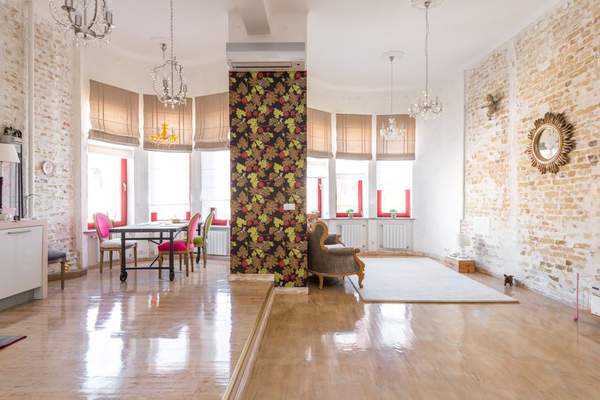
Rooms that feel genuinely personal rarely look as though every piece arrived from the same showroom. Mixing vintage and modern furniture works because contrast creates interest: an old oak chest gains freshness beside a slim contemporary lamp, while a modern sofa feels warmer beside a worn leather chair or antique side table. The aim is not to make everything match, but to make the room feel balanced and collected over time.
Start with one clear visual direction
A successful vintage modern mix begins with a point of view. Decide whether you want the room to feel calm, traditional, colourful or eclectic. Vintage can mean anything from Georgian mahogany to 1970s chrome, while modern furniture ranges from Scandinavian simplicity to bold contemporary shapes.
Choose one dominant mood and let the other pieces add contrast. A clean modern living room, for example, can comfortably hold an ornate mirror, a vintage rug and an old timber sideboard because the simpler background keeps those character pieces from competing.
Use an anchor piece to set the tone
Choose one piece to carry the room: perhaps a vintage dining table, modern modular sofa, antique cabinet or sculptural armchair. Once that anchor is in place, let the other furniture respond to it. A heavy old table can be balanced by slim modern chairs, while a contemporary sofa can gain character from an older side table, chest or occasional chair.
Repeat materials so the mix feels intentional
One of the easiest ways to connect furniture from different eras is to repeat materials. A dark wood cabinet will sit more naturally in a modern room if another warm timber appears in a frame, coffee table or lamp base. Brass on an antique mirror might be echoed by contemporary lighting.
This repetition is useful in eclectic furniture styling because it gives the eye something consistent to follow. The finishes do not need to be identical; small variations often create a richer layered interior look than perfectly matched surfaces.
Let colour do some of the unifying
Colour can bridge very different styles. If a vintage chair contains rust, olive or navy, repeat one of those tones in artwork, cushions or a modern rug. A contemporary chair in a bold colour can also feel more settled when that shade appears elsewhere in an older painting or ceramic piece.
In smaller UK homes, a restrained background palette can be especially useful. Let texture and shape provide much of the variety so a compact sitting room does not become visually crowded.
Pay attention to scale before style
Furniture from different periods can work together beautifully, but scale still needs to make sense. A low modern sofa may look awkward beside an extremely tall side table, while a delicate antique chair can disappear next to an oversized sectional.
Compare seat heights, table heights and visual weight before buying. A practical trick is to mark the footprint of a proposed piece on the floor with masking tape. It is an easy way to judge whether the proportions work before you bring anything home.
Mix shapes rather than matching silhouettes
A room full of boxy modern furniture can benefit from the curves of a vintage bentwood chair, rounded mirror or pedestal table. Equally, a traditional room can feel sharper when a clean-lined console or angular coffee table is introduced.
This is where collected home decor starts to look deliberate. The furniture may come from different decades, but the room develops a rhythm of straight lines, curves, solid forms and open space.
Use vintage where patina adds something
Older furniture is most effective when age contributes character. A scratched farmhouse table, faded rug, aged leather chair or cabinet with original handles can add depth that is difficult to reproduce with new furniture. There is no need to restore every mark away.
Function still matters. Drawers should open, chairs should be stable and upholstery should be clean and usable. The best vintage pieces earn their place both visually and practically.
Keep modern pieces where comfort matters most
Not every item needs history. Modern sofas, mattresses, task chairs and storage often make daily life easier because they are designed around current comfort and dimensions. A room can work beautifully when vintage provides personality and modern furniture handles the heavier functional demands.
Picture a real living room: a comfortable new sofa forms the main seating, an old trunk becomes the coffee table, a 1960s teak sideboard stores media equipment, and a contemporary floor lamp provides reading light. Nothing matches as a set, yet the warm tones and sensible proportions make the scheme coherent.
Avoid the museum-room effect
If every piece is antique, the room can start to feel like a period display. Conversely, one tiny vintage object in an otherwise coordinated modern room may look accidental. Aim for enough contrast that the older and newer pieces visibly relate to one another.
Modernise the context around vintage furniture too. Hang contemporary art above an antique chest, place a new lamp on an old desk, or use a simple rug beneath a traditional table. These pairings make the age difference feel deliberate.
Leave space for the room to evolve
The best mixed interiors are rarely finished in one shopping trip. Add pieces gradually and notice what the room genuinely needs. That slower process is part of what makes a layered interior look convincing: the objects have different origins and stories but still make sense together.
Frequently asked questions
How much vintage furniture should I use in one room?
There is no fixed percentage. Start with one or two noticeable vintage pieces, then see how the room feels before adding more. Balance matters more than quantity.
Can different wood tones be mixed?
Yes. Mixed woods often look more natural than a perfectly matched suite. Repeating a similar undertone, such as honey, reddish brown or deep walnut, helps the combination feel connected.
What is the easiest room for a vintage modern mix?
Living and dining rooms are usually easiest because they contain several separate furniture pieces. A modern sofa or set of dining chairs can sit comfortably with an older table, cabinet, mirror or occasional chair.
How do I stop eclectic furniture styling looking cluttered?
Limit the colour palette, keep clear walking space and avoid filling every surface. Repeating a few materials or tones creates visual order even when the furniture comes from different periods.
Build a room that feels collected, not coordinated
Mixing vintage and modern furniture is less about following a formula than creating relationships between pieces. Start with a strong anchor, repeat materials and colours, respect scale and let contrast do some of the work. When older furniture brings character and newer pieces bring comfort, the room can feel both current and lived-in. The result is not a matching set but a home that looks as though it has grown naturally around the people who live there.