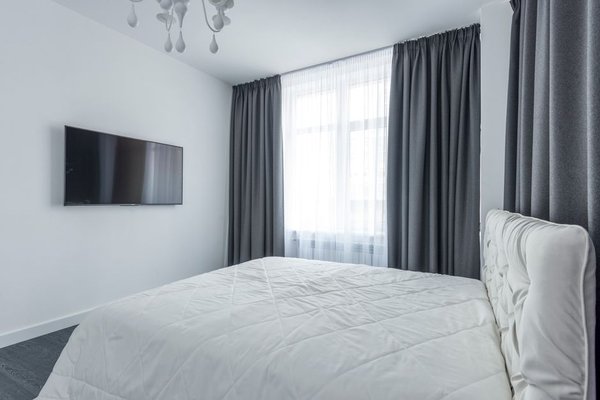
Thermal curtains can make a room feel noticeably more comfortable in winter, but they are not a substitute for better glazing or proper draught-proofing. Their job is to create an extra insulating layer between the warm room and the cold window. When the fabric is thick, the lining is effective and the curtains fit closely, they can reduce heat escaping through the glass and limit the cold downdraught that makes a room feel chilly.
That makes them a sensible low-cost measure for many UK homes, especially where replacing windows is expensive or impractical. The catch is that products labelled “thermal” vary widely. The lining, fullness, length and fit often matter more than the marketing label.
How thermal curtains reduce heat loss
Windows are usually a weaker part of the building envelope than insulated walls. Warmth moves through the glazing and frame, while cold glass cools the air next to it. That cooler air then drops into the room, creating the familiar chilly feeling around a window even when the thermostat says the room is warm.
Thermal curtains help by trapping a relatively still layer of air between the curtain and the window. Multiple fabric layers slow heat transfer, while a close fit reduces the circulation of room air against the cold glass. This is why thick curtains, insulated blinds and shutters are commonly recommended for reducing night-time window heat loss.
The effect is strongest when curtains are closed as daylight fades and opened again on bright mornings. On sunny winter days, leaving them open can allow useful solar warmth into the room before they are closed later.
What makes one thermal curtain better than another?
The lining matters more than the face fabric
A decorative fabric may be heavy without being especially insulating. What improves performance is the construction behind it. Standard curtain linings add body and another layer. Dedicated thermal linings are designed to reduce heat transfer more effectively, while interlined curtains place extra insulating material between the face fabric and lining.
Interlining is a strong option for cold rooms, bay windows and older properties with large areas of glazing. It gives curtains a fuller drape, although it adds cost and weight, so the pole or track needs to be suitable.
Blackout does not automatically mean thermal
Blackout thermal curtains can be useful because coated or multi-layer fabrics tend to be denser than unlined curtains. However, “blackout” describes light control, not a guaranteed level of insulation. A curtain can block daylight very effectively and still perform only moderately against heat loss.
If warmth is the main goal, look beyond the word blackout. Check how many layers the product has, what the backing is made from and whether the manufacturer clearly explains the thermal construction.
Be cautious with tog-style ratings
Some products use tog-style insulation figures. These may help when comparing curtains within the same range, but curtain ratings are not always presented under one universal consumer standard. Treat a single number as supporting information rather than proof that a curtain will transform a cold room.
In practice, a well-fitted, multi-layer curtain will often outperform a supposedly high-performing curtain that leaves large gaps around the edges.
Fit is where energy saving curtains succeed or fail
A curtain insulates the window best when it creates a reasonably enclosed pocket of air. If warm room air can move freely behind the fabric, much of the benefit is lost.
Take a bedroom with a radiator beneath the window. Floor-length curtains may look attractive, but they can be counterproductive if they cover the radiator when closed. Warm air then rises behind the curtain and heats the window rather than the room. Curtains finishing just above the radiator, or a blind-and-curtain combination, may work better.
For stronger performance, choose curtains that extend beyond both sides of the window, sit close to the wall or reveal, and have enough fullness to close without being stretched flat. A pelmet or close-fitting track can also reduce the escape of warm air at the top.
Thermal curtains do not fix draughts
There is an important difference between heat passing through glass and cold air leaking through gaps. Thermal curtains can reduce discomfort from a cold window, but they do not properly seal a draughty sash, damaged frame or poorly fitted external door.
If you can feel moving air around the frame, draught-proofing should usually come first. Sealing appropriate gaps can make the curtains more effective too. Do not block intentional ventilation such as trickle vents or air bricks.
What to check before buying
Start with the coldest window in the room rather than shopping by colour first. Check the width, how far the curtains can extend beyond the frame, whether a radiator sits below it and whether there is space for a deeper pole or track. Then compare construction: lined is better than unlined, and interlined or genuinely insulated designs are usually better again.
Also consider how easily the curtains can be opened every morning and closed every evening. A highly insulating curtain that is awkward to use may spend half the winter open. Simple daily use is part of the energy-saving benefit.
In rooms prone to condensation, keep managing moisture and ventilation. Heavy closed curtains can leave the glass colder and more isolated from room air, so check windows regularly and deal with excess condensation rather than assuming thicker curtains will solve a damp problem.
Frequently asked questions
Do thermal curtains really reduce heat loss?
Yes. Thick, lined curtains can reduce heat loss through windows, particularly at night. The result depends heavily on the fabric layers and how closely the curtains fit around the window.
Are thermal curtains worth it with double glazing?
They can still help. Double glazing already performs much better than single glazing, but an insulating curtain adds another barrier and can reduce the cold sensation near large windows. The improvement is usually more noticeable with older or less efficient glazing.
Are thermal curtains the same as blackout curtains?
No. Blackout curtains are designed primarily to block light. Some combine blackout and thermal layers, but a blackout label by itself does not guarantee strong insulation.
Should thermal curtains touch the floor?
Floor-length curtains can reduce gaps at the bottom, but they should not cover a working radiator. The best length creates a close fit without obstructing heat circulation.
A practical upgrade when the details are right
Thermal curtains are best viewed as a targeted layer of insulation rather than a promise of dramatic energy savings. They can reduce heat loss, improve comfort beside cold windows and make a useful difference where glazing upgrades are not immediately practical. For the best result, prioritise effective curtain linings, generous coverage and a close fit, then combine them with sensible draught-proofing and good daily habits. The product label matters, but the way the curtain is constructed and fitted matters more.