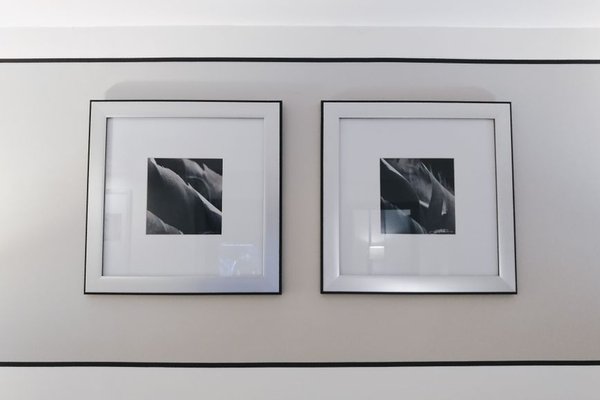
Picture rails are one of those period features that become much more useful once you know what they were designed to do. In many Victorian and Edwardian homes, the moulding runs around the room near ceiling level and gives you a ready-made way to display art without putting fresh holes into old plaster. For renters, that can be especially useful: hanging pictures on picture rails lets you change a room’s character while leaving the wall surface untouched.
Check the picture rail before you hang anything
Make sure you have a functional picture rail rather than decorative moulding that only resembles one. A traditional Victorian picture rail is usually a timber moulding with a shaped upper edge that accepts a purpose-made rail hook. It should also feel firmly fixed to the wall.
Look for movement, gaps, cracking around fixings or sections that feel loose when gently pressed. Old rails may have been repainted many times, repaired unevenly or partially detached during earlier work. If the rail flexes or pulls away from the wall, do not hang from it until it has been checked and repaired.
Choose picture rail hooks that fit the moulding
Traditional picture rail hooks slip over the top profile of the timber rail. Because old rails vary in shape, a hook should sit fully on the moulding rather than balance on a narrow painted edge.
Test one hook without artwork attached. It should settle securely and stay flat when gently pulled downward. If it twists, rocks or barely catches the profile, try another pattern rather than forcing it. Thick layers of paint can also change the effective shape of an old rail.
Do not assume the weight rating from a modern aluminium gallery track applies to an original timber rail. Manufacturers publish capacities for specific hook-and-cord combinations, but an old rail’s safe capacity also depends on its own installation. Follow the hardware maker’s guidance and keep a sensible safety margin.
Choosing cord, chain or cable
Traditional picture cord
Braided picture cord suits period interiors and works well for lightweight and medium framed prints when the cord is correctly rated and in good condition. Avoid old, frayed cord simply because it looks authentic.
Metal chain
Brass-toned or dark metal chain creates a deliberately traditional look and makes the hanging line part of the room’s styling. It is more visible than clear cord, but can look particularly appropriate with ornate frames.
Clear perlon or steel cable
Clear perlon cord is designed to recede against the wall. Steel cable is used in compatible systems where greater capacity is required. Treat the rail hook, hanging line, adjustable picture hook and frame fittings as one system: the weakest component determines the real limit.
How to hang a picture from a rail
First, weigh or accurately estimate the framed artwork, including glass. Check that the frame has secure D-rings, eyelets or picture wire fixed to the frame structure rather than flimsy backing board.
Place the picture rail hook directly above the approximate centre of the intended position. Attach the cord, chain or cable, fit the lower hook at the required height, then hang the frame. Step back before making final adjustments. Sliding the upper hook a few centimetres left or right is often easier than trying to correct everything at the frame.
For a wide or heavier frame, two hanging drops can improve stability and reduce twisting when the rail and hardware are designed for that arrangement. Do not assume two hooks automatically double the permitted load; follow the stated capacity for the components you are using.
Consider a renter with a 60 cm framed print above a fireplace in a room with fragile old plaster. Instead of drilling beside the chimney breast, two compatible picture rail hooks can be positioned above the frame, with matching cords lowered to two secure rear fittings. The picture can then be centred and levelled without making a new wall hole.
Get the height right in a high-ceilinged room
High period ceilings can tempt people to hang pictures too high. The rail is only the support point; the artwork should still relate comfortably to eye level and nearby furniture.
Above a sofa, sideboard or fireplace, judge the picture as part of that grouping. Let the cord cover the distance from the rail while keeping the artwork visually connected to what sits below it. If the drops look too prominent, use a cord colour that blends with the wall or a suitable transparent system.
Natural related topics for internal links include picture grouping ideas, choosing frame sizes and protecting old wall finishes.
Common mistakes to avoid
The biggest mistake is assuming an old rail is automatically strong because it has survived for decades. Age says little about current fixings. Also avoid hanging from decorative cornice or lightweight moulding that was never intended to take picture hooks.
Do not mix random components with incompatible weight ratings, use worn cord, or attach heavy artwork to a weak frame back. Hanging art without drilling is only successful when the whole path from rail to frame is secure. After hanging, check that the rail hook remains seated, the lower hook has not slipped and the frame is not pulling excessively away from the wall.
Frequently asked questions
Can you hang heavy pictures from a picture rail?
Possibly, but it depends on the rail, its wall fixings and the complete hanging system. Modern products have specific capacities, while an original timber rail must be judged on its condition and installation. For valuable, glazed or particularly heavy pieces, professional advice is sensible.
Do picture rail hooks damage the rail?
A correctly fitting hook should not require drilling into the wall or rail. It can still mark soft paint or poorly adhered finishes, especially on heavily painted moulding, so test a discreet section first and never force an ill-fitting hook.
What is the best cord for a picture rail?
There is no single best choice. Braided cord gives a traditional appearance, clear perlon is discreet, and compatible steel cable suits systems designed for greater capacity. Choose according to the artwork’s weight, the hardware specification and the look you want.
Can renters use picture rails instead of drilling?
If an existing picture rail is sound and your tenancy allows normal use of it, it can be an excellent way to display art without making new holes. Check your tenancy terms if you are unsure, especially before hanging heavy or valuable pieces.
Make the original feature work for the room
A picture rail is more than decorative trim. Used properly, it offers a flexible way to arrange art, move frames and refresh a room while protecting delicate period plaster. Start with the condition of the rail, choose picture rail hooks that genuinely fit, match the cord or cable to the load, and keep heavier pieces well within the limits of the complete system. The result feels appropriate to a period home and makes future rearranging much easier.