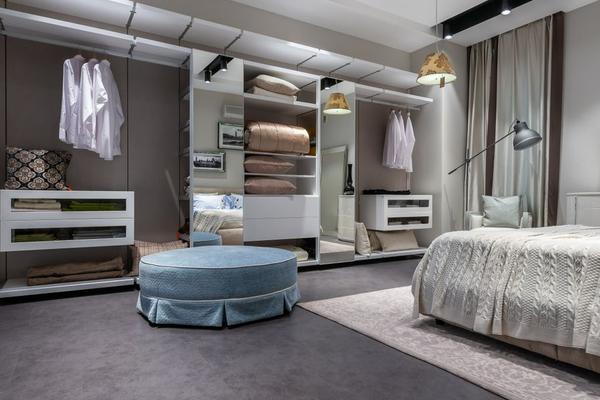
The bedroom is becoming less like a storage zone and more like a lived-in room again. After years of floor-to-ceiling cabinetry dominating renovation plans, homeowners are reconsidering whether every wall needs to be built in. The freestanding wardrobe vs fitted storage debate now feels as much about atmosphere and flexibility as it does about capacity.
That does not mean fitted wardrobes have lost their purpose. In compact UK homes, awkward alcoves and sloping ceilings can make bespoke carpentry practical. Yet freestanding pieces, antique armoires and open storage appeal to people who want character, breathing space and the freedom to change. The right choice depends on your home, your belongings and how permanent you want the layout to feel.
What is the difference between freestanding and fitted storage?
A freestanding wardrobe is a complete piece of furniture that can usually be moved, replaced or taken to another property. It comes in standard sizes, although some makers offer custom dimensions. Fitted storage is designed around the room and fixed in place, often extending from wall to wall or floor to ceiling.
Fitted wardrobes create a smooth, architectural finish and may almost disappear when painted to match the walls. Freestanding furniture has a more layered look. Its visible sides, legs, handles and materials contribute to the room rather than blending completely into it.
Why freestanding wardrobes are gaining attention
The renewed interest in freestanding furniture reflects a wider preference for interiors that feel collected rather than installed all at once. A timber wardrobe, painted cabinet or vintage storage furniture piece can soften a newly decorated bedroom and introduce age, texture and individuality.
Freestanding wardrobes also leave the edges of a room visible. This can make a bedroom feel less enclosed, particularly when the furniture has raised legs or a lighter silhouette. Instead of one uninterrupted bank of doors, the eye sees separate elements with space around them.
Flexibility for changing homes and layouts
Mobility is one of the strongest arguments for freestanding storage. You can move a wardrobe to another wall, repurpose it in a guest room or take it with you when you move. This is useful for renters, first-time buyers and anyone who expects their needs to change.
It also allows a bedroom to evolve gradually. You might begin with one wardrobe, then add a chest of drawers, a rail or a small cabinet. These freestanding storage ideas make it easier to adjust the balance between hanging space, folded clothes and display without committing to a permanent design.
More character and material variety
A freestanding piece can introduce a finish that might feel overwhelming across an entire fitted wall. Dark oak, distressed paint, rattan panels or coloured lacquer can work beautifully as a single statement. Older furniture may also bring craftsmanship and proportions that are difficult to reproduce in standard fitted systems.
Where fitted storage still performs best
Fitted wardrobes remain difficult to beat when maximum capacity is the priority. Because they can use the full height and width of a wall, they minimise the gaps often left above and beside standard furniture. In a box room, loft bedroom or narrow space, those extra centimetres can make a real difference.
Internal layouts can also be tailored precisely. Double hanging rails, shoe shelves, drawers and luggage compartments can be planned around the household. For people with large wardrobes or limited storage elsewhere, this efficiency may matter more than future flexibility.
A calmer, more streamlined finish
Well-designed fitted storage reduces visual clutter by placing everything behind a consistent set of doors. It can also work around chimney breasts, alcoves and sloping roofs that make standard furniture difficult to position.
However, fitted cabinetry is a commitment. It is normally more expensive upfront, installation can be disruptive, and the layout cannot be changed easily. A design that feels perfect today may be less useful if the room later becomes a nursery, office or guest bedroom.
Cost, longevity and value
Freestanding wardrobes usually have a lower entry cost, particularly when bought second-hand or from mainstream furniture ranges. A quality piece may move through several rooms and homes, while vintage furniture can often be repaired, refinished or repainted instead of replaced.
Fitted storage costs more because it involves measurement, design, manufacture and installation. The final price depends on materials, doors, internal fittings and the complexity of the room. It may appeal to future buyers when storage is scarce, but it should primarily solve your practical needs rather than be treated as a guaranteed return on investment.
Fitted wardrobe alternatives worth considering
The choice is not limited to one large wardrobe or a full wall of cabinetry. Modular freestanding systems can create a tailored look while remaining removable. A pair of matching wardrobes around a chest of drawers can provide symmetry, while mixed-height pieces can suit rooms with uneven ceilings.
An open shelving bedroom arrangement is another option for folded clothes, shoes, books and decorative objects. It works best when the display is edited and baskets hide smaller items. Too much exposed clothing can make a restful room feel crowded, so combining open shelves with closed cupboards is often more practical.
How to choose the right option for your home
Start by measuring the room and listing what must be stored. Consider hanging lengths, folded clothing, shoes, bedding and suitcases rather than judging capacity from the outside alone. Check door swings, sockets, skirting boards and the space needed to move comfortably around the bed.
Then think about permanence. Fitted storage makes sense when the room has a clear long-term purpose and difficult dimensions. Freestanding furniture is often better when you value adaptability, expect to move or enjoy changing your interiors over time.
Finally, consider the mood you want. Choose fitted wardrobes for a clean, integrated backdrop. Choose freestanding furniture for a relaxed, organic and collected feel. A hybrid approach can deliver both: fitted storage in an awkward recess, balanced by a characterful chest or open shelf elsewhere.
Frequently asked questions
Is a freestanding wardrobe cheaper than fitted storage?
In most cases, yes. Standard freestanding wardrobes generally cost less upfront, while fitted storage includes design, custom manufacture and installation. Premium handcrafted freestanding pieces can still be expensive, so compare quality as well as price.
Do fitted wardrobes save more space?
They usually use available space more efficiently because they can extend into alcoves and up to the ceiling. The benefit is greatest in small or unusually shaped bedrooms where standard furniture leaves unusable gaps.
Can freestanding wardrobes look built in?
Yes. Choosing tall units, matching the wardrobe colour to the walls and adding simple side panels or a top trim can create a more integrated appearance. Keep any additions removable if flexibility is important.
Is open bedroom storage practical?
Open storage can be practical for frequently used or attractive items, but it requires regular organisation. A mixture of open shelving and closed drawers or cupboards usually creates a calmer, easier-to-maintain bedroom.
Conclusion
There is no universal winner in the freestanding wardrobe vs fitted storage comparison. Fitted designs offer space efficiency and a polished finish, while freestanding wardrobes bring flexibility and character. The best solution is the one that suits both your room and the way your home may change.