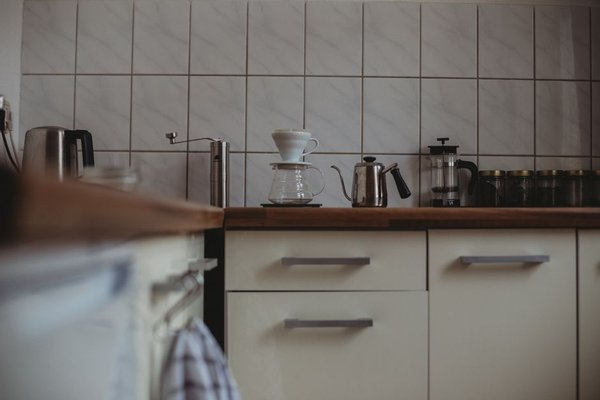
A well-organised kitchen cupboard is one you can use without thinking. The mugs are where your hand naturally reaches, the pasta is easy to spot, and putting groceries away takes minutes rather than a round of rearranging. Effective kitchen cupboard organisation is less about picture-perfect shelves and more about reducing the little delays that add up during cooking, cleaning and busy mornings.
Start by watching how you use the kitchen
Before moving anything, notice the routes you take during a normal day. Where do you stand to make tea? Which cupboard do you open while preparing dinner? Where does the washing-up equipment live? Those repeated actions tell you where items belong better than a generic storage diagram.
For example, if you make porridge every morning, putting oats, bowls and breakfast toppings within a step or two of each other saves more effort than alphabetising all your dry goods. Arrange your kitchen storage system around these common tasks, not around the shape or colour of the packaging.
Clear and sort one cupboard at a time
Taking everything out at once creates a mess that can be hard to finish. Instead, empty one cupboard onto a clean worktop, wipe the shelves and check what you actually own. Separate items into everyday use, occasional use, duplicates and things that belong somewhere else.
Check food dates and packaging as you go. Discard anything spoiled or unsafe, and set aside usable excess for another suitable location. Keep cooking instructions and date information accessible.
Put everyday items in the easiest places
The most useful part of a cupboard is usually the shelf you can reach and see without stretching, bending deeply or shifting other objects. Reserve that space for items used daily. Move rarely used serving dishes, spare mugs and seasonal equipment to higher or less convenient shelves.
Cooking cupboards
Store frequently used pans, mixing bowls, oils and seasonings near the area where you prepare meals, subject to safe storage conditions. Keep heavier pans on sturdy lower shelves. Place small items together in a shallow tray so you can lift out the group rather than hunting behind bottles.
Breakfast and drinks
Give mugs, tea, coffee and breakfast staples a predictable home. If children prepare their own breakfast, keep safe, lightweight items on a reachable shelf. Avoid putting glass containers or heavy crockery where they could be pulled down accidentally.
Dry food and pantry overflow
Group dry foods by how you use them: breakfast, baking, quick meals, snacks and back-up supplies. Treat pantry overflow as a clearly defined reserve, not a second random cupboard. Keep one active packet within easy reach and store unopened replacements together so you can see what needs using before shopping again.
Improve visibility before buying storage products
Many kitchen cupboard storage problems are really visibility problems. Items disappear behind taller packages, so you buy another one without realising you have two. Pull everything towards the front of deep shelves and arrange taller items behind shorter ones when practical.
Try inexpensive solutions first. A sturdy tray can hold sauces together; a labelled box can contain baking packets; and a small shelf riser can make use of otherwise wasted height. Choose organisers only after measuring the cupboard’s width, depth and clear shelf height, including room for the door and hinges. A storage product that blocks access is not an improvement.
Make better use of shelf height and depth
Adjustable shelves are often the simplest upgrade. Position them for the objects you actually store rather than leaving a large empty gap above every plate. Where shelves are fixed, consider a stable riser for lightweight cups or small tins, provided the shelf can support the combined load.
In a deep cupboard, place seldom-used items at the back only if they remain easy to retrieve safely. Pull-out baskets may help, but check weight limits and door clearance before fitting them. Avoid stacking fragile dishes too high or putting heavy objects above head height just to fill every centimetre.
Keep food, cleaning products and moisture under control
Food storage needs a little more care than crockery storage. Keep dry ingredients sealed appropriately, follow label instructions and inspect cupboards for dampness or pests. Containers should be clean, fully dry and suitable for food contact. Date labels can help when you transfer ingredients out of their original packaging.
Store household cleaning chemicals separately from food, preferably in a secure place inaccessible to children. Under-sink cupboards can be convenient for cleaning supplies, but check regularly for leaks and avoid storing moisture-sensitive food or paper there. These habits protect the contents while making each cupboard easier to maintain.
Give every group a clear boundary
One reason cupboards become cluttered again is that categories slowly spread. Decide how much shelf space each group gets. For instance, dedicate one section to lunchboxes and their lids, another to baking ingredients and another to spare pantry goods. If a category outgrows its space, review it before adding more containers.
Labels are especially helpful for shared households, but they should describe obvious functions: “snacks”, “baking” or “lunchboxes” works better than complicated codes. If you also struggle with utensils and loose gadgets, use the same grouping principle when decluttering kitchen drawers.
Build a five-minute reset into your routine
The best cupboard organisation tips are the ones you will keep using. Put items back in their assigned places after washing up, check the reserve shelf before writing a shopping list and bring older suitable food to the front when adding new purchases.
Common questions about kitchen cupboard organisation
What is the best way to organise small kitchen cupboards?
Prioritise daily essentials, group related items and keep shelves easy to see into. Use vertical space carefully with stable risers, but avoid buying organisers before measuring. Ideas for small kitchen storage work best when they reduce handling rather than simply fit more objects into the cupboard.
Should I put everything into matching containers?
No. Matching containers can look tidy, but they take money and may waste space. Keep food in its original packaging when that works well. Decant only when a container improves access, helps keep suitable food protected or prevents an awkward packet from spilling.
How do I organise a deep cupboard?
Use trays or accessible bins to group small items, and avoid hiding frequently used products at the back. Keep heavy objects low, measure carefully before buying pull-out storage and leave enough space to remove items without disturbing the whole shelf.
How often should I reorganise kitchen cupboards?
A full reorganisation should not be necessary every week. Put things away consistently, check supplies before shopping and do a brief monthly review. Rework a cupboard when your cooking habits, household needs or available storage changes.
Make the cupboards work for your real routine
Successful kitchen cupboard organisation is measured by how smoothly an ordinary day goes. When frequently used items are visible, cupboard space has clear boundaries and everyone knows where things belong, meal preparation and restocking feel lighter. Start with the cupboard that frustrates you most, improve one repeated task and build from there. The goal is a kitchen that stays usable long after the initial tidy-up.