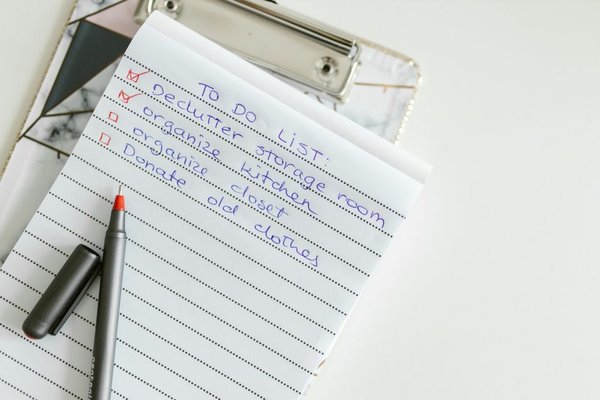
Decluttering a home is easier when you stop treating it as one enormous job. A practical decluttering checklist for UK homes breaks the work into smaller decisions: what stays, what leaves, where it goes next, and how to stop clutter returning. That matters in British homes where storage is often limited and lofts, sheds and under-stairs cupboards can become catch-all spaces.
Use this as a room-by-room guide rather than trying to empty your whole house in a weekend. Work in short sessions, finish one area before moving on, and create a clear exit route for donations, recycling and rubbish as you go.
Start with a four-way sorting system
Set up four destinations: keep, donate or sell, recycle, and dispose. A fifth temporary category can hold items that belong elsewhere in the house, but do not let it become a permanent “decide later” pile.
For every item, ask whether you use it, need it, genuinely enjoy it, or would buy it again today. If the answer is no, decide its next destination immediately. This keeps a home decluttering checklist focused on action rather than simply moving clutter around.
Keep a bag or box near the door for charity-shop donations. For larger items, check whether a local charity offers collection. If something is unusable, check your council’s guidance before binning it or paying for removal. Council recycling and bulky-waste services vary by area, and paid waste collectors should be authorised to carry household waste.
Hallway and entrance
Clear shoes that do not fit, broken umbrellas, old post, excess shopping bags and coats that belong in another season. Keep only the everyday items that genuinely need to live near the door.
Give keys, dog leads, reusable bags and incoming post a fixed home. If the hallway repeatedly becomes cluttered, the problem is often not lack of tidying but lack of an assigned place for things that arrive with you.
Living room checklist
Start with visible surfaces, then move to drawers, shelves and media units. Remove expired magazines, duplicate remotes, unused cables, damaged ornaments and games nobody plays. Question decorative items that stay only because they have always been there.
Keep favourite books, DVDs and games and anything you realistically expect to use again. Donate saleable items promptly. Old electricals, chargers and cables should not automatically go into general rubbish; items with a plug, battery or cable can usually be taken to suitable electrical recycling points.
Kitchen and dining areas
Check mugs, food containers, pans, utensils, chopping boards and small appliances. Keep the best version of an item and question the spare if it has not been used for a long time.
Then work through food cupboards and the fridge. Discard unsuitable out-of-date food, bring short-dated items forward, and combine duplicates where sensible. Match food-storage containers with lids and recycle or repurpose incomplete sets where local rules allow.
Try the “Tuesday evening rule”: imagine cooking an ordinary midweek meal. If a gadget, pan or utensil would never be chosen then, it probably does not deserve prime kitchen space.
Bedrooms and wardrobes
Work by category: tops, trousers, dresses, knitwear, shoes, bags and accessories. Remove anything that no longer fits, feels uncomfortable, is damaged beyond realistic repair, or has not been worn for a long time. Store seasonal clothes separately so daily wardrobes are easier to use.
Check bedside drawers and under-bed storage too. These areas often contain old receipts, cables, empty packaging and “just in case” items forgotten for years. A room clearing checklist works best when hidden storage is included.
Bathroom and linen storage
Dispose of empty bottles, worn towels, dried-up products and toiletries you will not use. Group open products together so they are finished before replacements are bought. Keep everyday items accessible and move occasional supplies to one backup area.
Sort bedding by bed size and keep complete sets together. If you have more spare sheets and towels than your household realistically needs, retain the best and donate clean items where accepted.
Home office, paperwork and cables
Separate paperwork that needs action, records worth keeping, and papers that can be shredded or recycled. Avoid keeping duplicate printed information that is already safely stored digitally.
Untangle cables and identify what each belongs to. Recycle redundant electrical accessories through an appropriate scheme rather than leaving them in a drawer indefinitely. This is also a useful time to improve your household organisation system for bills, warranties and important documents.
Loft, garage, shed and under-stairs cupboard
These areas often store postponed decisions. Work in small zones and remove broken furniture, empty boxes, duplicate tools, outgrown sports equipment and items kept for a future project that is no longer realistic.
Take extra care with paints, oils, batteries and electrical items because their disposal routes can differ from ordinary household waste. Check your local council or recycling centre guidance rather than guessing.
Finish with an exit plan
Decluttering is not complete while unwanted items are stacked in the spare room or car boot. Set a deadline for donations and recycling, list sale items quickly, and arrange collection for bulky pieces. If something has not sold after a sensible period, decide whether the space it occupies is worth more than the possible selling price.
For upkeep, try a ten-minute reset once or twice a week and review one storage area each month. A practical declutter house UK routine is usually more sustainable than occasional marathon clear-outs.
Frequently asked questions
What is the best order for decluttering a house?
Start with a small, visible area such as the hallway or one kitchen cupboard, then move room by room. Avoid beginning with highly sentimental possessions because they usually require slower decisions.
How long should a decluttering session last?
For most households, 20 to 45 minutes is enough to make progress without creating fatigue. Finish by returning keepers to their places and containing everything that is leaving the house.
What should I do with unwanted electrical items?
Do not assume they belong in general waste. Electrical items with a plug, battery or cable can usually be reused or recycled. Check local council services, retailer take-back options or a suitable recycling point, and remove personal data from smart devices before passing them on.
How can I stop clutter building up again?
Give frequently used items a fixed home, keep donation bags accessible, avoid buying storage before reducing what you own, and deal with incoming post and packaging promptly. The goal is not an empty house; it is a home where everyday things are easy to find and put away.
A calmer home comes from completed decisions
The most useful checklist is the one that helps you finish decisions and move unwanted items out responsibly. Work steadily, check local disposal rules when needed, and focus first on the spaces that affect daily life. Once each room contains fewer unnecessary items and every keeper has a sensible place, maintaining order becomes much easier.