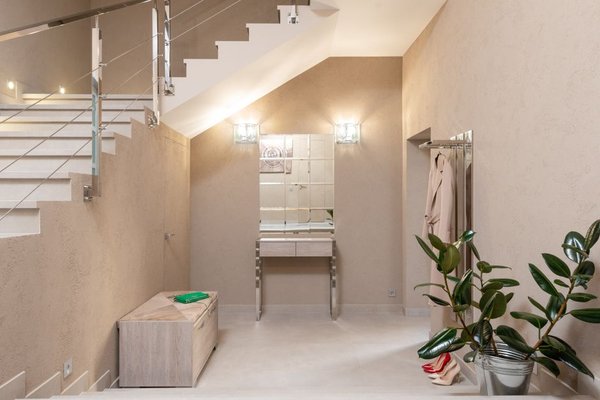
The space beneath a staircase is easy to overlook, yet in many UK homes it is one of the best places to capture clutter before it spreads into the hallway, kitchen or living room. Good under stairs storage ideas are not about squeezing in as many shelves as possible. They are about matching the awkward shape of the space to the things you actually need close at hand.
A well-planned setup can hold coats, shoes, bags, cleaning supplies, pet equipment and household essentials without using valuable floor space elsewhere. The trick is to treat the sloping ceiling, deep corners and narrow access as useful design clues rather than problems.
Start with what needs a home
Before buying baskets or commissioning fitted cupboards, empty the area and decide what genuinely belongs there. Under stairs organisation works best when the space has one or two clear jobs. If it becomes the default place for anything without a home, it soon turns into a difficult-to-reach pile.
For stairs near the front door, outdoor items usually make sense: coats, umbrellas, school bags, reusable shopping bags and everyday shoes. A staircase closer to the kitchen may be better for a vacuum cleaner, mop, ironing board or bulk household supplies.
Think about frequency too. Daily-use objects should sit near the opening and at an easy height. Seasonal decorations, spare bedding or rarely used equipment can go deeper into the lowest or least accessible section.
Use the shape instead of fighting it
Create pull-out storage for deep sections
Deep cupboards often waste space because the back becomes a dark zone that is hard to reach. Pull-out drawers, wheeled boxes or sliding units bring the contents towards you. They work particularly well for shoes, sports gear, pet supplies and bags.
For example, a family might divide the space into three pull-outs: a low drawer for shoes, a medium section for school bags and helmets, and a taller unit for coats. Each category gets an obvious home, making the storage part of the household routine rather than another sorting job.
Fit shelves to the changing height
Shelves can follow the slope, with larger items where headroom is greatest and smaller storage towards the low end. Adjustable shelves are even more flexible because they can change as your needs do.
For understairs cupboard storage, shallow shelves are often more practical than very deep ones. If small boxes or cleaning products sit several rows deep, the items at the back disappear. A shallower shelf keeps things visible and leaves floor space for taller equipment.
Use the inside of the door
The inside of a cupboard door can hold lightweight items such as reusable bags, cloths, umbrellas or shoe-care products. Keep door storage modest so the hinges are not overloaded and the door still opens and closes easily.
Choose storage by category
Coats, shoes and hallway clutter
If the staircase opens into a hall, a compact cloakroom can be one of the most useful options. Combine hooks or a rail with low shoe storage and a shelf for hats, gloves and bags. Hidden home storage is especially valuable in a narrow hallway because it removes bulky items without adding another piece of furniture.
If coats or footwear are damp, let them dry properly before packing them tightly into an enclosed cupboard. That small habit helps prevent the space from becoming stale and unpleasant.
Cleaning and utility supplies
A tall section can hold a vacuum cleaner, mop, bucket and ironing board, while smaller shelves handle cloths and household products. Keep liquids upright in stable containers and place heavier bottles lower down, where they are safer and easier to lift.
Group supplies by task rather than filling any available gap. Laundry items can share one shelf, general cleaning products another, and spare brushes or cloths another. Clear categories make the cupboard easier to reset after use.
Household overflow
Some under-stair spaces can handle household overflow if the area is clean, dry and suitable. Label containers and avoid buying organisers before you know what will actually live there.
Do not assume every cupboard is suitable for food or delicate belongings. Temperature, moisture, ventilation and proximity to household services vary, so the space should suit the contents rather than the other way around.
Make awkward space storage easy to maintain
The best storage is easy to put back in order. Give each category a defined boundary: one shelf, one drawer or one box. When that area is full, edit the contents instead of adding another container.
Visibility also matters. Clear boxes, open-front containers or simple shelf zones make it obvious where things belong. A motion-sensor or rechargeable light can transform a deep cupboard that is otherwise difficult to use.
Measure carefully before buying organisers. Note the width at floor level, usable depth, height at several points along the slope and the size of the door opening. Something that fits inside the cupboard but cannot pass through the doorway is no help.
Plan around access and safety
Under-stair spaces sometimes contain meters, electrical equipment, pipes or other household services. Keep them accessible and do not block ventilation or service access with fixed cabinetry or tightly packed belongings. If you are planning major built-in work, moving services or altering the enclosure, use an appropriate qualified professional and check any requirements that apply to your home.
Store heavier items low down and make sure shelves are properly supported. If you regularly have to move several boxes just to reach something important, the layout needs simplifying.
Frequently asked questions
What is the best use for the space under stairs?
The best use depends on location. Near an entrance, coats, shoes and bags are practical. Near a kitchen or utility area, cleaning equipment and household supplies may make more sense.
How do I organise a deep under-stairs cupboard?
Keep frequently used items near the front and use pull-out boxes, drawers or sliding units for deeper sections. Avoid stacking several unlabelled containers in front of one another, which makes the back of the cupboard effectively unusable.
Are fitted under-stairs cupboards worth it?
They can be worthwhile when standard furniture cannot use the sloping shape efficiently. Fitted units are particularly useful for pull-out shoe drawers, coat storage and mixed-height compartments. A simple shelf-and-box system may be enough if your needs are modest or likely to change.
How can I stop the space becoming cluttered again?
Limit each category to a specific zone and review the cupboard every few months. Remove duplicates, return frequently used items to the easiest positions and resist storing things there simply because another room feels full.
Make the space work for daily life
The most successful under stairs storage ideas make ordinary routines easier. If you can grab shoes, hang a coat or put away the vacuum without shifting five other things, the space is working well. Focus on access, visibility and clear categories, then use the unusual shape to your advantage. An awkward triangle can become one of the most efficient storage areas in the home.