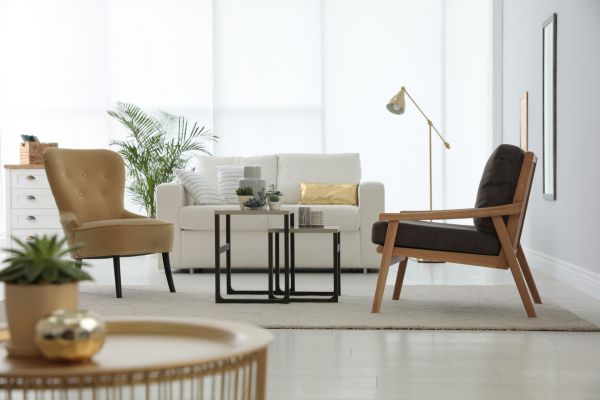
A multi-generational home has a rhythm all its own. There may be grandparents who prefer quiet mornings, teenagers who need a place to study, young children who turn every open floor into a play zone, and adults trying to balance work, caregiving, and daily life. When several generations share one home, furniture has to do more than fill a room. It needs to support different bodies, habits, routines, and levels of mobility without making the space feel clinical or overcrowded.
The best furniture ideas for multi-generational homes usually begin with flexibility. A room may need to serve one purpose in the morning and another by evening. A dining table becomes a homework station. A guest room turns into a quiet retreat. A living room needs to welcome both lively family gatherings and slower, more restful moments.
Good furniture cannot solve every challenge of shared living, but thoughtful choices can make the home feel calmer, safer, and more comfortable for everyone.
Start With Comfort That Works Across Ages
Furniture that looks elegant but feels awkward rarely survives long in a busy family home. Comfort should be broad enough to suit different ages and physical needs.
Sofas with a medium seat height are often easier for older adults to use than very low, deep designs. At the same time, they remain comfortable for younger family members. Firm cushions offer more support than overly soft seating, which can make standing difficult. Rounded arms can provide a useful place to steady the body without giving the room an institutional appearance.
Chairs should be tested for more than appearance. Consider whether the seat is too low, whether the arms are strong enough to assist someone standing, and whether the back offers proper support. A mix of seating styles can work better than a perfectly matched set. One family member may prefer a supportive armchair, while another wants a deeper lounge seat.
That kind of variety makes the room more inclusive and, honestly, more interesting.
Choose Modular Seating for Changing Family Life
Modular sofas are especially useful in multi-generational spaces because they can be rearranged as family needs change. Sections can be placed together for a large gathering, separated to create conversation areas, or moved aside when extra floor space is needed.
This flexibility matters in homes where the number of people in a room changes throughout the day. A large sectional may work beautifully for movie night but feel overwhelming when only two people are using the space. Modular pieces make it easier to adjust the layout without replacing the entire sofa.
Ottomans can add another layer of flexibility. They may serve as footrests, extra seats, side tables, or temporary play surfaces. Choosing lightweight pieces makes rearranging easier, though they should still feel stable enough for children and older adults.
Washable or durable upholstery is also worth considering. Shared homes see more spills, more traffic, and more everyday wear. Furniture should be able to handle real life without becoming precious.
Create Dining Spaces That Welcome Everyone
The dining table is often the social center of a multi-generational home. It may host meals, conversations, paperwork, games, school projects, and celebrations. A table that extends can accommodate both ordinary weekdays and larger family gatherings without taking over the room permanently.
Rounded or oval tables can be helpful in tighter spaces because they allow easier movement around the edges. They also reduce sharp corners, which is useful in homes with young children or family members who use walking aids.
Dining chairs should not all be selected for the same visual effect. A combination of supportive armchairs and simpler side chairs can meet different needs while still looking coordinated. Chairs with arms are often easier for older adults to use, while lightweight chairs may suit children or younger family members who move them frequently.
Benches can be useful, but they are not ideal for everyone. They save space and work well for children, yet they may be uncomfortable for older adults who need back support. Using a bench on one side and chairs on the other creates a practical compromise.
Make Storage Easy to Reach and Understand
Storage in a multi-generational home should reduce confusion rather than create it. Deep cabinets and complicated furniture may hold a great deal, but they can also make everyday items hard to find.
Low drawers, open shelves, labeled baskets, and clearly divided cabinets can help family members keep track of personal belongings. Children benefit from storage they can reach independently, while older adults may prefer items to be stored between waist and shoulder height to avoid excessive bending or stretching.
Furniture with built-in storage can be particularly useful in shared rooms. Beds with drawers, storage benches, lift-top coffee tables, and ottomans with hidden compartments help control clutter without adding more cabinets.
It is important, however, not to hide everything. Frequently used items should remain visible and accessible. A beautiful storage system is not helpful if family members constantly need assistance to use it.
Design Bedrooms Around Privacy and Independence
Shared living does not mean every space must feel communal. Bedrooms should offer privacy, comfort, and a sense of personal control.
A bedside table with drawers provides easy access to glasses, medication, books, or charging devices. Bed height matters as well. Very low beds may be difficult for older adults to get in and out of, while overly high beds can be unsafe. A stable frame with a comfortable, manageable height usually works best.
In smaller bedrooms, multifunctional furniture can help preserve space. A compact desk may double as a dressing table. A storage headboard can replace bulky bedside furniture. A comfortable chair in the corner can create a private reading or resting area.
For rooms used by visiting relatives or different family members at different times, adaptable furniture is especially valuable. A daybed, sleeper chair, or well-designed sofa bed can turn a study or hobby room into a temporary bedroom without making the space feel permanently occupied.
Support Home Working and Study Without Taking Over
Many multi-generational households need several work or study areas. One person may work remotely, a teenager may need quiet for schoolwork, and another family member may manage appointments or household paperwork.
Instead of relying on one large office, smaller work zones can be created throughout the home. A narrow desk in a bedroom, a fold-down wall desk, or a console table with a supportive chair can provide a useful workspace without dominating the room.
Good lighting is essential. Adjustable task lamps allow each person to control brightness, which is especially helpful when eyesight and preferences differ. Desks with simple cable management also reduce trip hazards and visual clutter.
Furniture on wheels can be useful in flexible spaces, but it should lock securely. Stability matters, particularly when children or older adults may lean on a surface.
Use Room Dividers Without Closing the Home Off
Open-plan living can feel energetic and connected, but it may also create problems when several generations want different things at the same time. One person may want to watch television while another needs quiet. A child may be playing nearby while an older relative is resting.
Furniture can help create gentle boundaries. Open shelving units, low bookcases, folding screens, and console tables can divide a room without blocking light or making the space feel smaller.
A tall-backed sofa can also establish a visual separation between dining and living areas. Rugs may define zones, though they should be secured carefully to prevent slipping. The goal is not to create walls everywhere. It is to give each activity a sense of place.
These subtle divisions can make shared rooms feel more manageable, especially in busy households.
Keep Circulation Clear and Furniture Stable
One of the most important furniture ideas for multi-generational homes is also one of the simplest: leave enough room to move.
Narrow pathways, sharp corners, unstable side tables, and cluttered layouts can create daily frustration. They may also become safety risks for toddlers, older adults, or anyone with limited mobility.
Furniture should be arranged so people can walk through the room without turning sideways or stepping around objects. Coffee tables should not block the natural route between seating and doorways. Chairs should have enough space behind them to pull out comfortably.
Stable furniture is essential. Tall cabinets and shelving should be secured, especially in homes with children. Lightweight tables may be convenient to move, but they should not tip when touched or used for support.
Clear movement makes a home feel larger, calmer, and more welcoming.
Let Personal Style Still Have a Place
Practicality does not mean every room must look neutral or generic. In fact, multi-generational homes often feel most inviting when they reflect the tastes and histories of the people living there.
A vintage sideboard may sit beside a modern sofa. A grandparent’s armchair can be reupholstered instead of replaced. Children’s artwork can share space with family photographs and inherited objects. The result may not look perfectly coordinated, but it can feel layered and real.
Furniture choices should create connection without erasing individuality. Shared rooms can follow a general color palette, while private rooms allow more personal expression. Small differences in fabric, artwork, cushions, and accessories help each generation feel represented.
A home does not need to look like a showroom to feel well designed.
Creating a Home That Adapts With the Family
Multi-generational living is rarely static. Children grow, mobility changes, work routines shift, and relatives may move in or out over time. Furniture that can adapt makes these transitions easier.
The most successful choices balance comfort, safety, privacy, and flexibility. They create shared spaces that encourage connection while still allowing people to retreat when needed. They also recognize that different generations do not use furniture in exactly the same way.
Thoughtful design is not about making every room perfect for one person. It is about finding solutions that work reasonably well for everyone and can change when life does. A multi-generational home may be busy, layered, and occasionally untidy, but with the right furniture, it can also feel generous, supportive, and deeply connected.