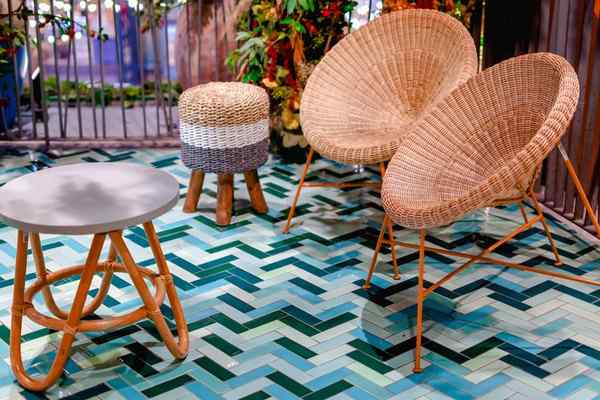
Natural materials are not new to interior design, but their role in the home is changing. In 2026, wood, stone and clay are being valued for more than colour or texture. They bring honesty, character and a visible sense of making into everyday rooms. Instead of surfaces that imitate something else or finishes designed to look untouched forever, interiors feel richer when materials are allowed to show where they came from and how they were worked.
This helps explain why the natural materials home decor trend feels more lasting than a passing seasonal look. It is less about filling a room with rustic objects and more about choosing pieces with substance. A timber table with visible grain, a limestone shelf with subtle variation or a hand-thrown bowl with an uneven rim can make a space feel considered without appearing over-styled.
Why material honesty matters in 2026
For years, perfectly smooth surfaces and highly uniform finishes offered a clean, controlled aesthetic. They still have a place, but many homes now benefit from more evidence of human touch. Natural material decor introduces variation that cannot be repeated exactly: knots in wood, mineral markings in stone, tonal changes in clay and slight differences between handmade pieces.
These details create depth and a sense of trust. A material is allowed to look like itself rather than being disguised beneath a heavy coating or printed imitation. Material honesty does not require every surface to be raw or unfinished. It means choosing finishes that respect the original qualities of the material.
This approach works especially well in UK homes, where modern extensions, period details and practical family spaces often sit side by side. Natural elements can bridge those contrasts, soften sharp architecture and help newer rooms feel connected to the building.
Wood brings warmth and individuality
Wood remains central to the trend because it can be both architectural and decorative. It works through flooring, cabinetry and dining tables, but also in quieter forms such as picture frames, stools and lamp bases.
The most convincing choices celebrate the species and grain instead of hiding them. Pale timber can keep a compact room feeling open, while deeper woods add weight and character. Different tones can be mixed when they share warm or cool undertones and are distributed with intention.
In wood and stone interiors, contrast often matters more than perfect coordination. Timber adds warmth and softness; stone provides a cooler, grounded note. A wooden vanity against a stone splashback feels balanced because each material is allowed to contribute something distinct.
Stone adds permanence without demanding polish
Natural stone can be treated as a luxury statement, yet its 2026 appeal is often quieter. Honed limestone, slate, marble and travertine bring gentle movement to kitchens, bathrooms and living spaces. A stone-topped side table or simple shelf can have as much impact as a large installation when the material is thoughtfully chosen.
Matt and honed finishes tend to reveal more natural character than a mirror-like polish. Practical considerations still matter, however. Stones vary in porosity, strength and maintenance, so a beautiful sample should always be assessed for its intended room and use.
Natural does not automatically mean sustainable. Stone is heavy to transport, timber sourcing matters and a poorly made product may have a short life regardless of its ingredients. Ask where a piece came from, how it was made, whether it can be repaired and whether you are likely to keep it for years.
Clay home accessories celebrate the maker
Clay home accessories offer an easy way to explore the trend without changing permanent finishes. Vases, bowls, planters and candle holders introduce earthy substance to shelves and tables. Their appeal often lies in marks of production: a throwing line, a hand-applied glaze or a shape that is not completely symmetrical.
In a well-made object, these variations reveal the process rather than poor quality. This is where the craftsmanship trend becomes meaningful. The point is not simply to buy something labelled handmade, but to notice proportion, finish, joinery, weight and the care behind an object.
Choose fewer pieces with a purpose
Natural materials are most effective when given room to breathe. Filling every surface with wooden and ceramic accessories can turn an honest design idea into a theme. A hand-thrown fruit bowl, solid timber bench or stone lamp base can anchor a room more effectively than a large collection of small objects.
How to avoid creating a rustic scheme
The natural materials home decor trend can work with minimal, traditional, industrial and colourful interiors. The key is not to treat “natural” as a complete style. Wood, stone and clay are materials; their shape, scale and finish determine whether they feel rustic, refined, playful or modern.
For a cleaner look, choose simple silhouettes, precise joinery and a restrained material palette. In a traditional room, allow aged furniture, patterned textiles or antique details to sit alongside stone and pottery. Strong colours can remain part of the scheme too. Deep blue, ochre, burgundy and green often look richer when grounded by timber or clay.
Start with everyday touchpoints
Introduce the look through objects you handle daily: a wooden dining table, ceramic mugs, a stone tray or a solid bedside cabinet. These touchpoints make quality noticeable through weight, temperature and wear, not just appearance.
Let ageing become part of the design
Many natural materials develop a patina. Timber may deepen in colour, stone can show small marks and unglazed clay may change subtly with use. Following proper care remains important, but a well-used surface can become more personal rather than simply looking damaged.
FAQ
What is the natural materials home decor trend?
It is an interiors approach that highlights genuine materials such as wood, stone, clay and natural fibres. The emphasis is on visible character, thoughtful construction and finishes that respect the material rather than imitate another surface.
Do natural materials suit small UK homes?
Yes. A pale wooden shelf, ceramic lamp or compact stone side table can add character without crowding the room. Keep shapes simple and limit competing finishes to maintain a calm, open feeling.
Can wood, stone and clay be mixed in one room?
Yes. Repeat one or two tones, vary the scale of each material and leave visual space between statement pieces. The contrast can make the room feel balanced rather than overly matched.
Are natural materials always sustainable?
No. Sustainability depends on sourcing, production, transport, durability and how long an item is kept. Look for responsible sourcing, transparent manufacturing, reclaimed options where practical and pieces that can be maintained or repaired.
A more grounded way to decorate
What defines this 2026 direction is not a strict list of fashionable products. It is a renewed appreciation for materials that feel real and objects that show evidence of skill. By choosing wood, stone and clay for their natural qualities rather than as surface-level decoration, a home gains warmth, permanence and individuality.
The strongest rooms will not use every natural finish at once. They will combine a few well-made elements with the colours, furniture and belongings already present. That measured approach allows craftsmanship to stand out and gives each material time to age gracefully, creating an interior that feels current without feeling disposable.